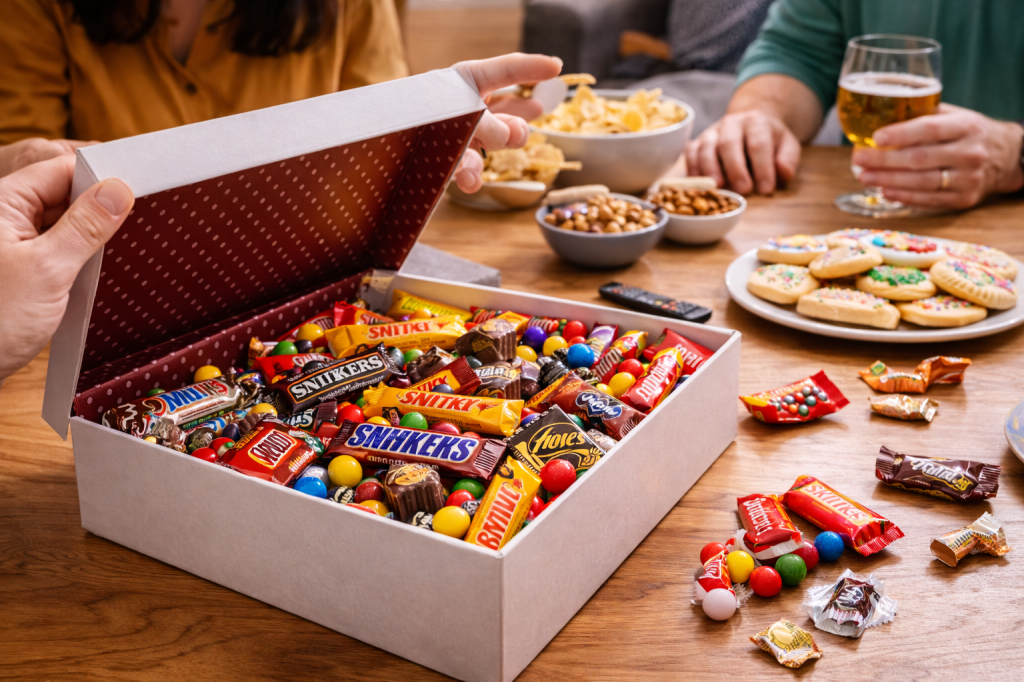
Almost everyone has opened a piece of candy that came from a box. The moment the lid lifts, rows of colorful sweets appear like tiny treasures waiting to be chosen. That simple moment feels exciting, and much of that feeling comes from the candy box itself. While people often focus on the candy, the box plays an important role in how the treat is enjoyed.
Candy can be fragile. A chocolate shell can crack if it bumps into something hard. Caramel can stick to other pieces if it gets warm. Gummy candy can lose its shape if it sits under pressure. Candy boxes help prevent these problems. The firm walls of the box protect the treats during travel, keeping them safe from being squeezed or crushed.
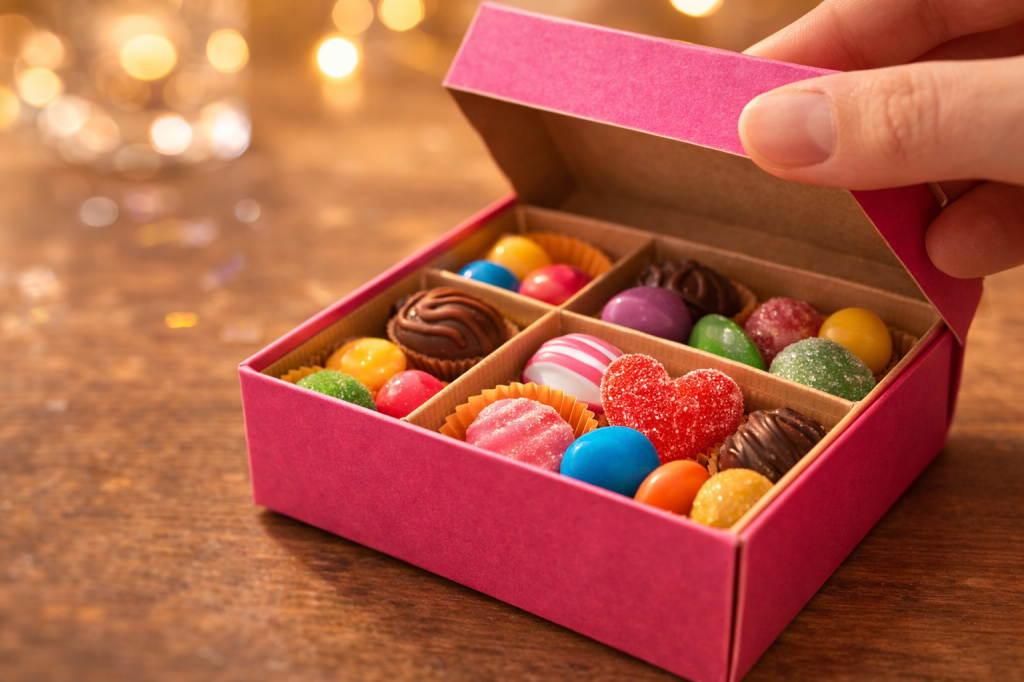
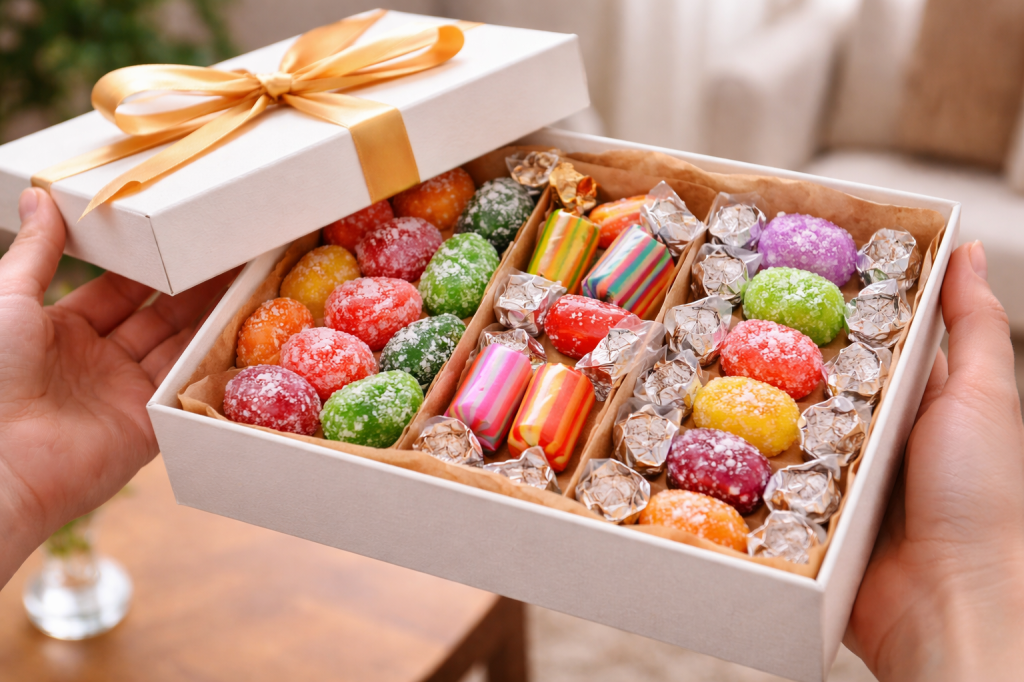
Many candy boxes are designed to hold sweets in an orderly way. Instead of tossing candy into a bag where everything slides together, the box keeps pieces lined up in rows. This makes it easy to see each piece before choosing one. A person might pause and look over the different shapes and colors before picking their favorite. That small moment of choice makes the experience feel more fun.
Candy boxes also help people present sweets in a thoughtful way. When someone gives candy as a gift, the box becomes part of the message. Imagine a small box tied with a ribbon sitting on a kitchen table. The person receiving it does not know what is inside yet, but they can already feel the care that went into preparing it. The box builds anticipation before the first bite even happens.
Another helpful feature of candy boxes is how they help control portions. Instead of eating candy straight from a large bag, people often take one piece at a time from a box. The rows of sweets make it easy to choose slowly. Someone might enjoy a single chocolate while talking with friends or sharing a few pieces during a quiet evening.
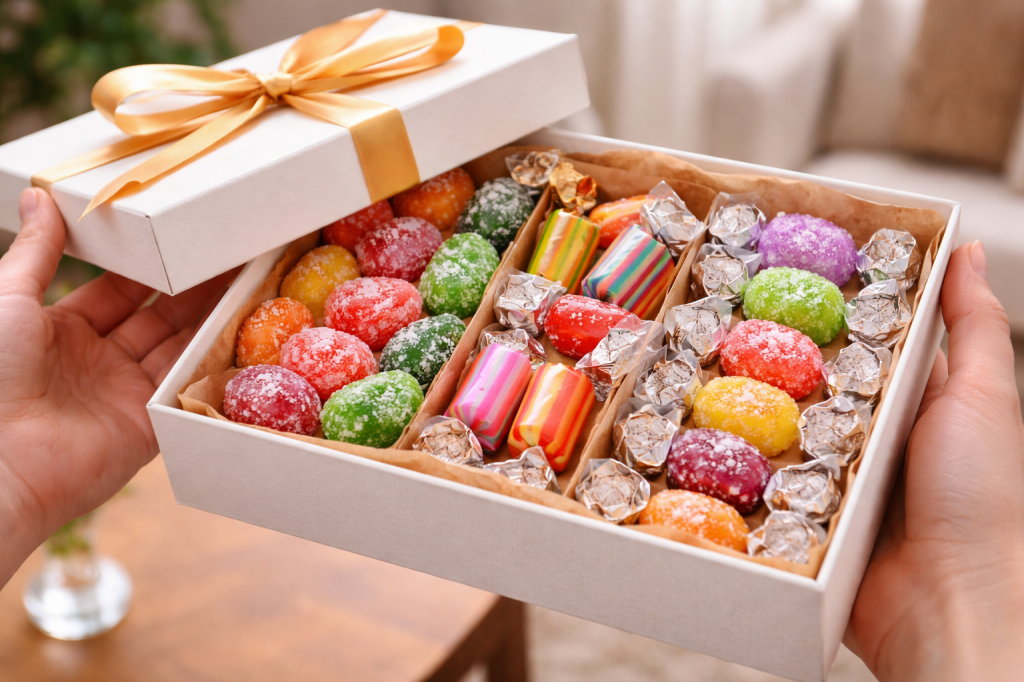
For people who make candy themselves, boxes can be a simple way to package homemade treats. A baker might spend hours preparing fudge or chocolate truffles. After the candy cools, placing the pieces inside a box helps keep them neat and easy to carry. When friends or neighbors open the box, they see a collection of sweets arranged with care, almost like a small display.
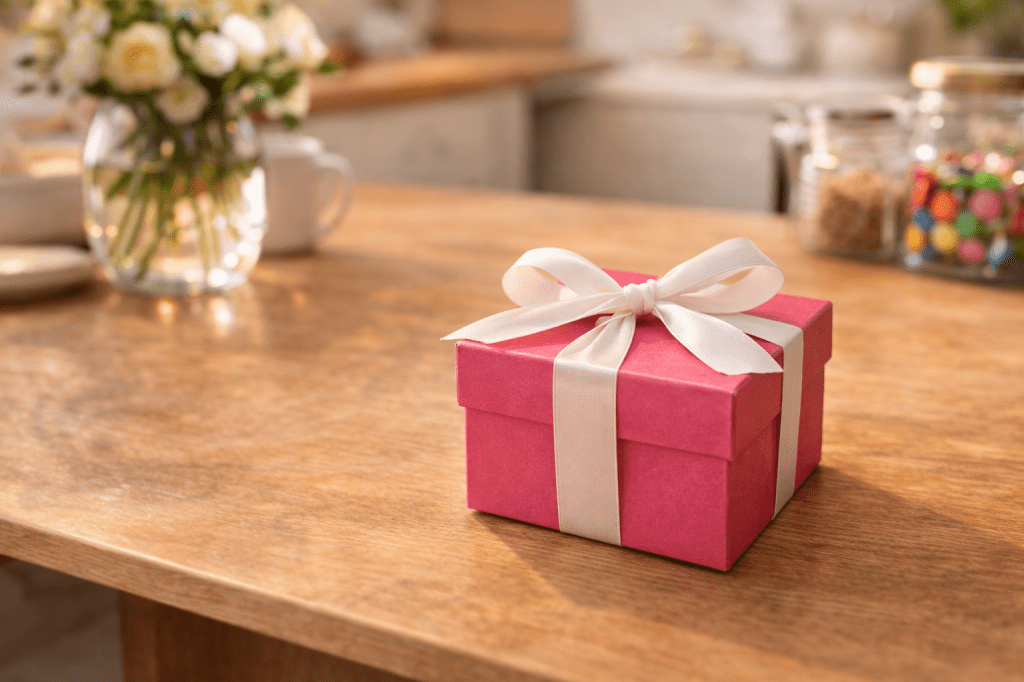
Candy boxes are also useful during celebrations. At weddings, parties, and holidays, hosts often place candy boxes at tables as favors for guests. Each person takes one home as a small reminder of the event. The box keeps the candy protected while guests travel home, making sure the treat still looks good when it is opened later.
Storage is another simple benefit. Candy boxes can stack neatly on shelves or inside cabinets. This keeps sweets organized instead of scattered in different bags. When someone wants a treat, they can simply open the box and see what is available without searching through clutter.
In many ways, candy boxes help turn a simple sweet into a small experience. They protect delicate treats, organize flavors, and create a moment of surprise when the lid opens. Whether used for gifts, celebrations, or homemade desserts, a candy box helps make the joy of candy feel just a little more special.

 Shrink Film Tech