Candy boxes aren’t just little containers you grab at the last minute—they’re the first impression, the stage, and the silent storyteller of every sweet treat your customers enjoy. When you choose the right candy boxes, you’re not just protecting chocolate truffles or gummy clusters; you’re creating a moment. A moment where someone lifts the lid and instantly feels like the treat inside is worth savoring. That experience starts long before the first bite and long before your product ever reaches the hands of your customers. It starts with packaging that looks polished, feels sturdy, and communicates that care was part of the process from the beginning.
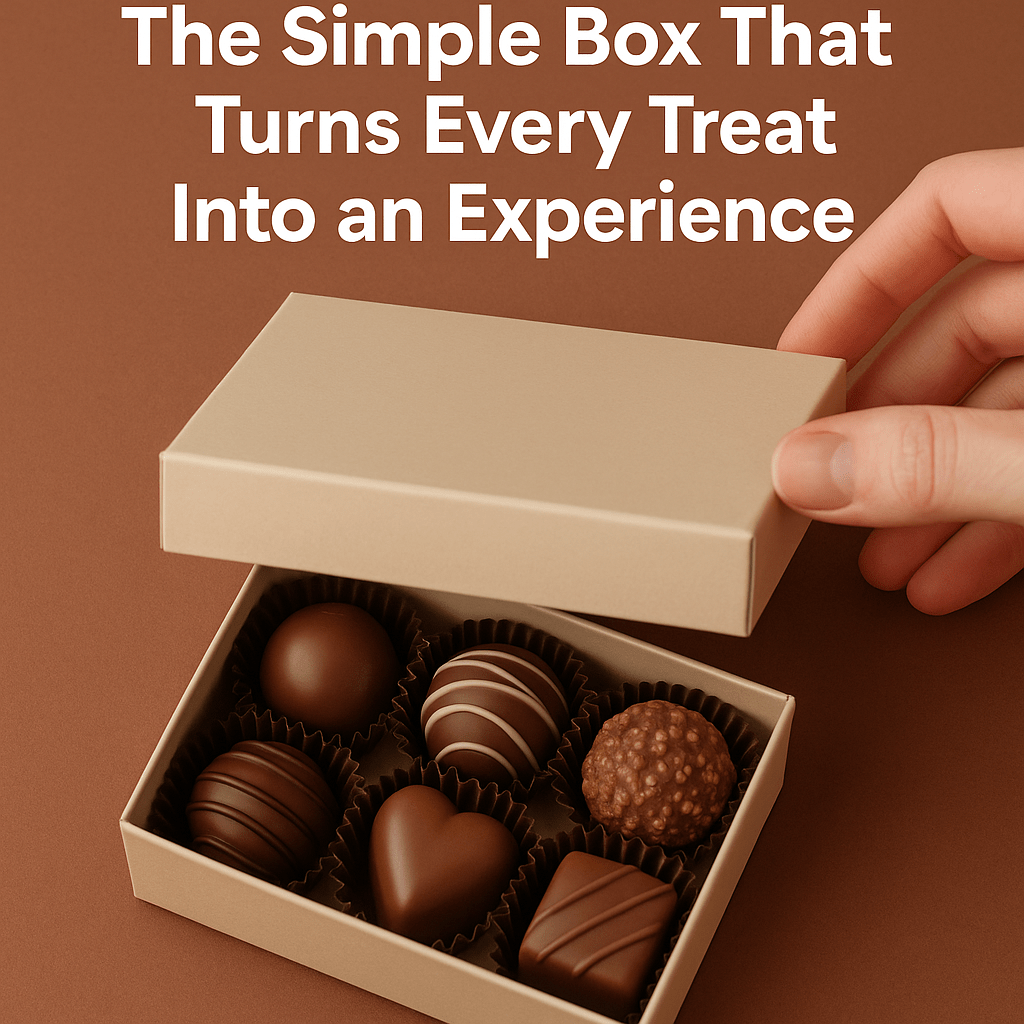
The demand for high-quality candy boxes isn’t going anywhere. In fact, small bakeries, home-based candy makers, boutique chocolate shops, and corporate gifting programs rely on packaging that feels premium without adding unnecessary cost. The right box has the power to elevate your product without changing a single ingredient inside it. That’s why choosing candy boxes made from durable materials matters. A flimsy box weakens the brand, while a well-constructed one signals that what’s inside is worth protecting. Customers feel the difference the moment they hold it.
Businesses often underestimate how much packaging influences buying behavior. A well-designed candy box makes your treats look more gift-ready, more professional, and more worth the price. It’s one of the easiest ways to position your product as high-value without increasing your production budget. People aren’t just buying chocolate—they’re buying presentations. They’re buying the feeling that what they’re gifting or enjoying came from a brand that takes pride in the details. When your boxes reflect that pride, your product stands out in a crowded market.
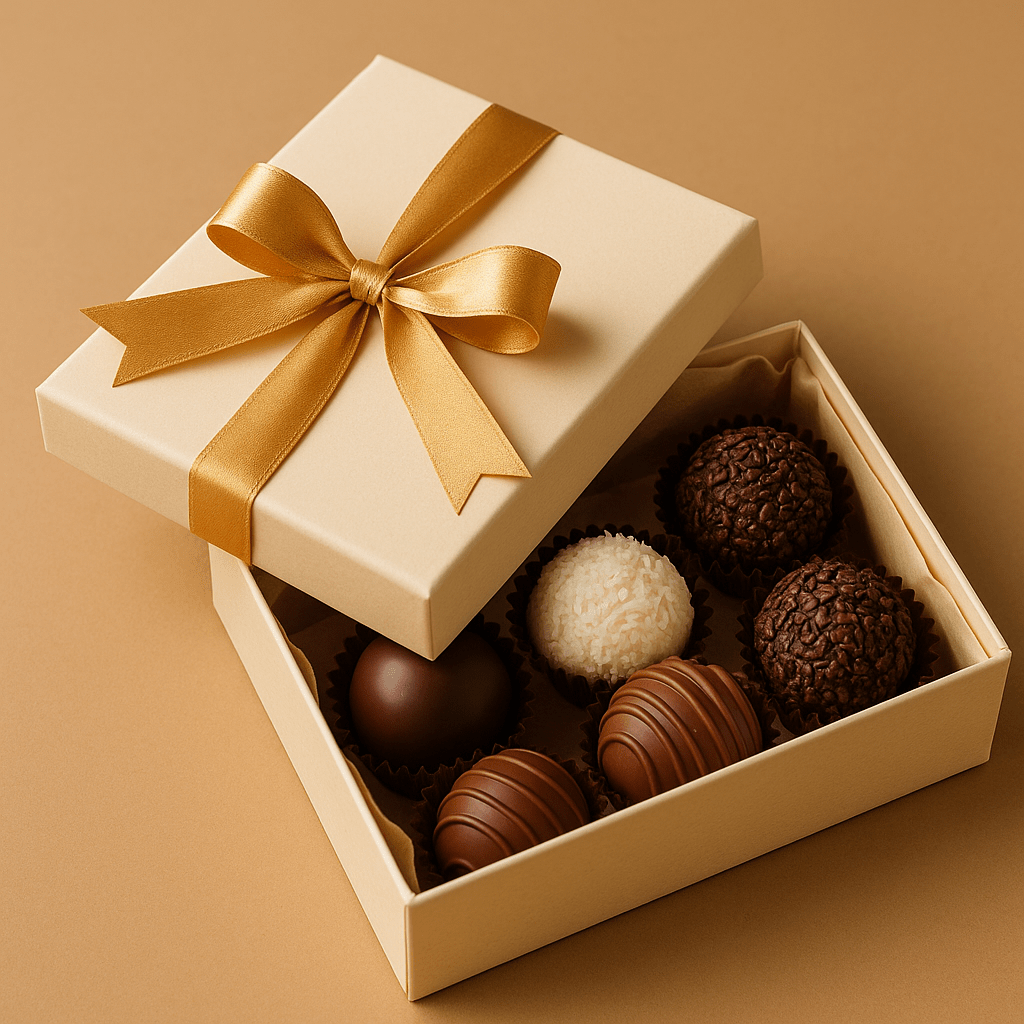
Candy boxes are also an opportunity to strengthen consistency across your brand. Whether you’re shipping hundreds of units or selling small-batch items at a local market, having uniform packaging helps establish recognition and trust. A sturdy box with clean lines and a smooth finish creates a polished, professional look every time. Customers return to brands that feel reliable, and packaging plays a major role in creating that perception long before a single review is written.
Another advantage of quality candy boxes is their versatility. They aren’t limited to chocolate-covered almonds or caramel squares. These boxes work beautifully for fudge, macarons, handmade mints, brittle clusters, taffy assortments, and even high-end baked treats. Many businesses choose standardized boxes and then customize the internal presentation with inserts, tissue, stickers, or branded labels. This approach keeps costs low while still offering that elevated “boutique” feel customers love.
Sustainability also matters more than ever. Eco-conscious shoppers value packaging that’s recyclable and responsibly made. Choosing candy boxes crafted from recyclable materials sends a message: you care not only about the product, but also about the impact it makes after it’s enjoyed. Without leaning into trends or loud messaging, it simply shows that your business values responsible choices. Many customers appreciate that more than they ever say out loud—and it becomes another reason they choose your brand again.
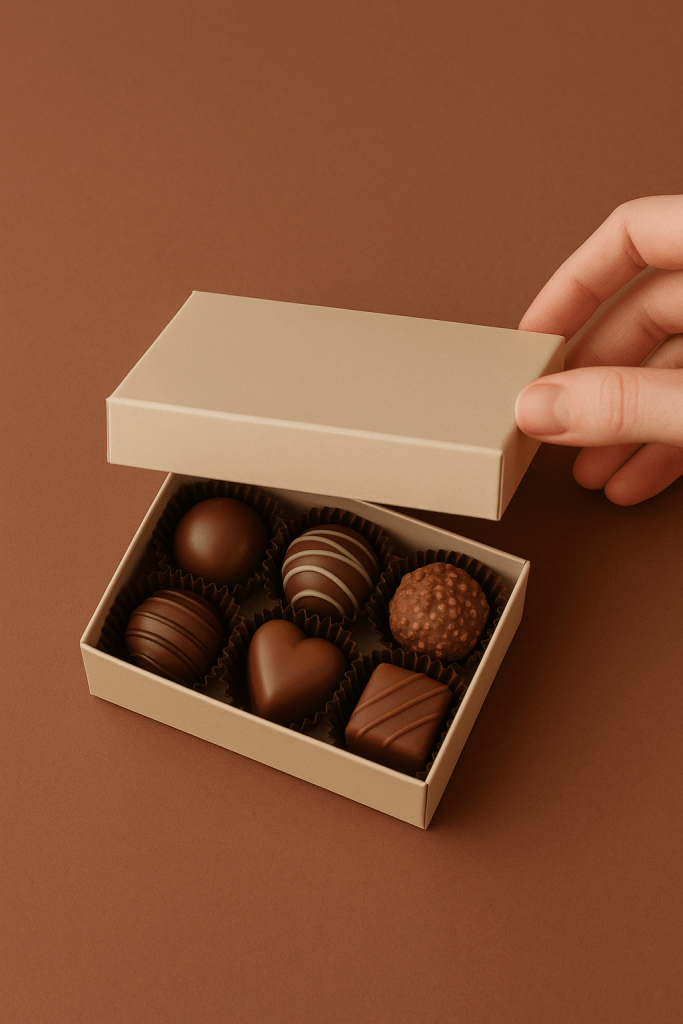
When your candy boxes check all the right boxes—strength, appearance, consistency, and eco-friendly materials—you position your business ahead of others who overlook how much packaging influences success. Your product deserves a box that enhances the experience, strengthens your brand, and keeps customers coming back. A strong candy box isn’t just packaging. It’s presentation, protection, and professionalism wrapped into one dependable solution.

 Shrink Film Tech