Shipping candy sounds simple until you start seeing small issues show up. Pieces arrive shifted, coatings get marked, and sometimes the entire presentation looks different than when it left your hands. These problems usually come from movement and pressure during storage and transit, not from the product itself.
Candy is sensitive to both space and structure. If there is too much empty room inside the box, items move around as the package is handled. That movement leads to rubbing, which can dull finishes or cause pieces to stick together. On the other hand, if the space is too tight, pressure can build and affect the shape of the candy. The goal is to create a balanced fit where everything sits in place without being forced.
A well-sized candy box helps control that environment. When the dimensions match the product, items stay positioned the way they were packed. This reduces the chance of shifting and helps maintain a clean, organized look when the box is opened. That first impression is important because it sets expectations before the product is even tasted.
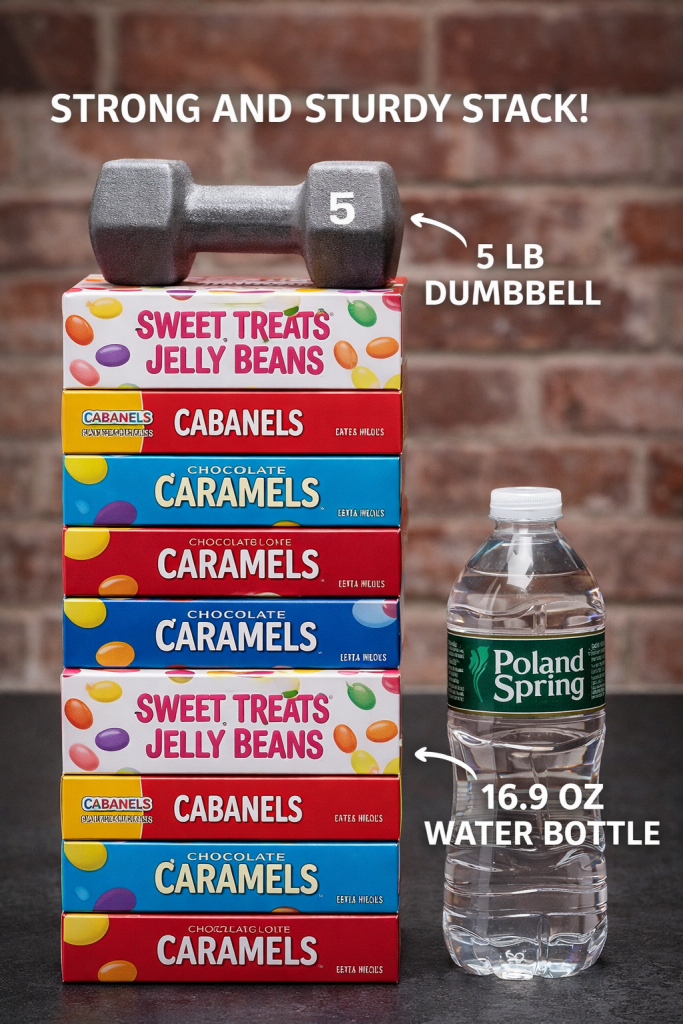
Structure also plays a major role. During shipping, packages are stacked, moved, and sometimes compressed under weight. A box that holds its shape protects the contents from that pressure. A weaker box can flex, and when that happens, the contents inside absorb the impact. Choosing a box with enough strength to handle stacking and movement helps prevent this type of issue.
Another factor to consider is how the candy is placed inside the box. Items should be arranged in a way that distributes weight evenly. When weight is concentrated in one area, it increases the chance of damage during transport. A balanced layout helps maintain stability and reduces stress on any single point.
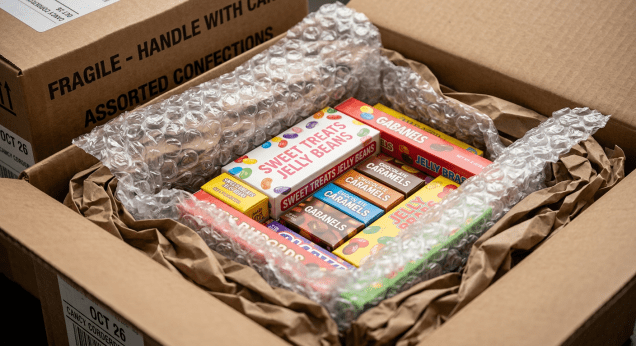
Handling before shipping matters as well. Candy often sits for a period of time before it is packed or sent out. During that time, exposure to air and contact with other surfaces can affect its condition. Using a consistent packing process, including protective layers when needed, helps preserve quality from the moment the product is prepared to the moment it is delivered.
Presentation is closely tied to protection. When a customer opens a box and sees candy arranged neatly without marks or shifting, it reflects a higher level of care. That experience is shaped by the packaging choices made earlier in the process. A well-designed candy box supports both protection and presentation at the same time.
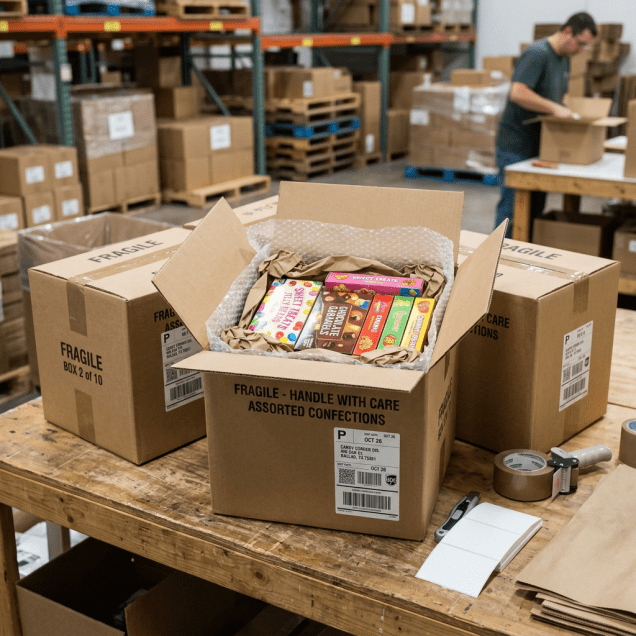
Many modern candy boxes are also made with recycled materials that still provide reliable performance. This allows businesses to choose packaging that meets practical needs while also using materials more efficiently. It is a straightforward approach that does not require sacrificing durability.
In the end, protecting candy during shipping comes down to controlling movement, maintaining structure, and choosing the right size. When these elements are handled correctly, products arrive in the same condition they were packed, and the overall experience improves for both the sender and the customer.

