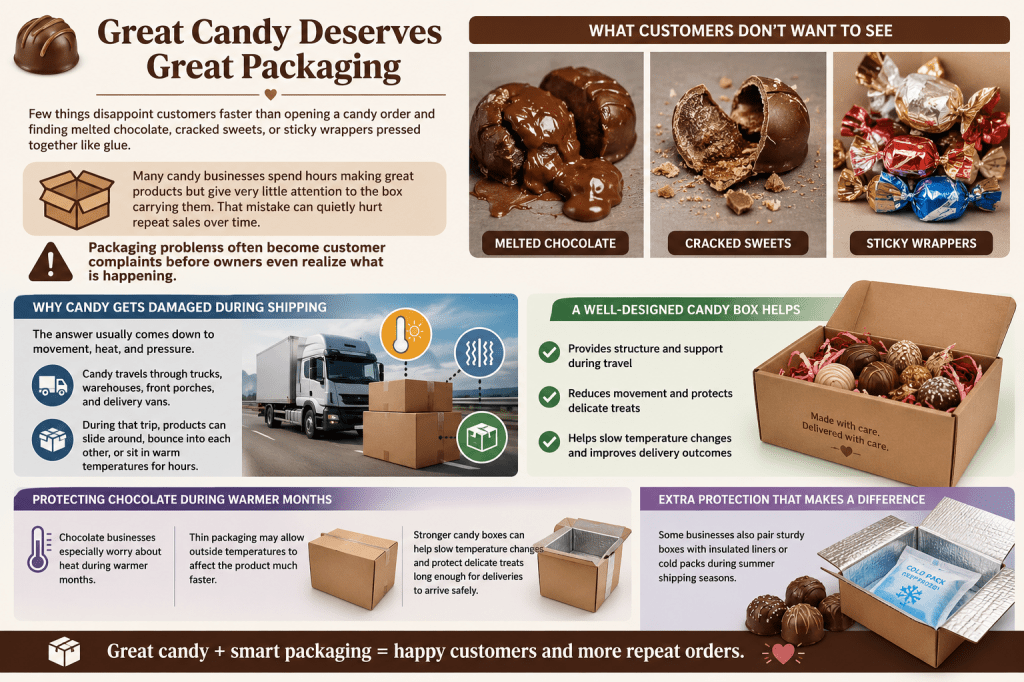
Few things disappoint customers faster than opening a candy order and finding melted chocolate, cracked sweets, or sticky wrappers pressed together like glue. Many candy businesses spend hours making great products but give very little attention to the box carrying them. That mistake can quietly hurt repeat sales over time because packaging problems often become customer complaints before owners even realize what is happening.
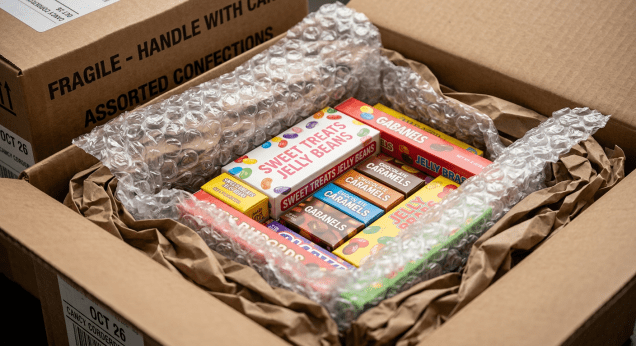
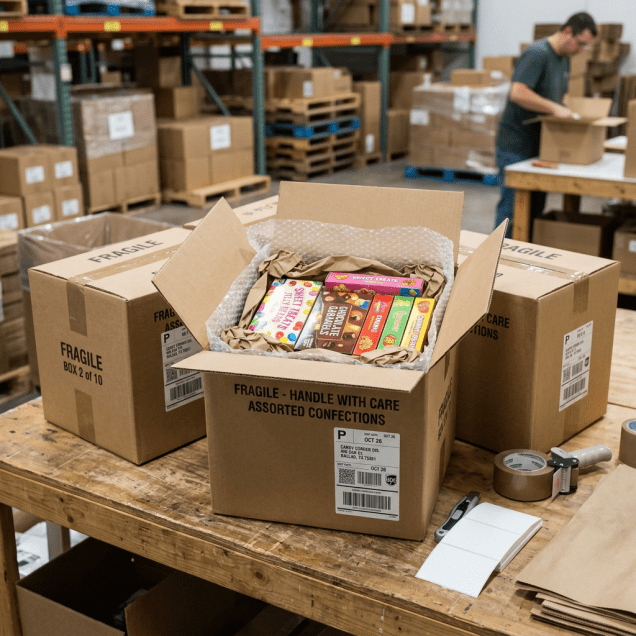
A common question people ask is why candy gets damaged so easily during shipping. The answer usually comes down to movement, heat, and pressure. Candy travels through trucks, warehouses, front porches, and delivery vans before reaching the customer. During that trip, products can slide around, bounce into each other, or sit in warm temperatures for hours. A properly designed candy box helps reduce those problems by giving candy more structure and support during travel.
Chocolate businesses especially worry about heat during warmer months. Thin packaging may allow outside temperatures to affect the product much faster. Stronger candy boxes can help slow temperature changes and protect delicate treats long enough for deliveries to arrive safely. Some businesses also pair sturdy boxes with insulated liners or cold packs during summer shipping seasons.
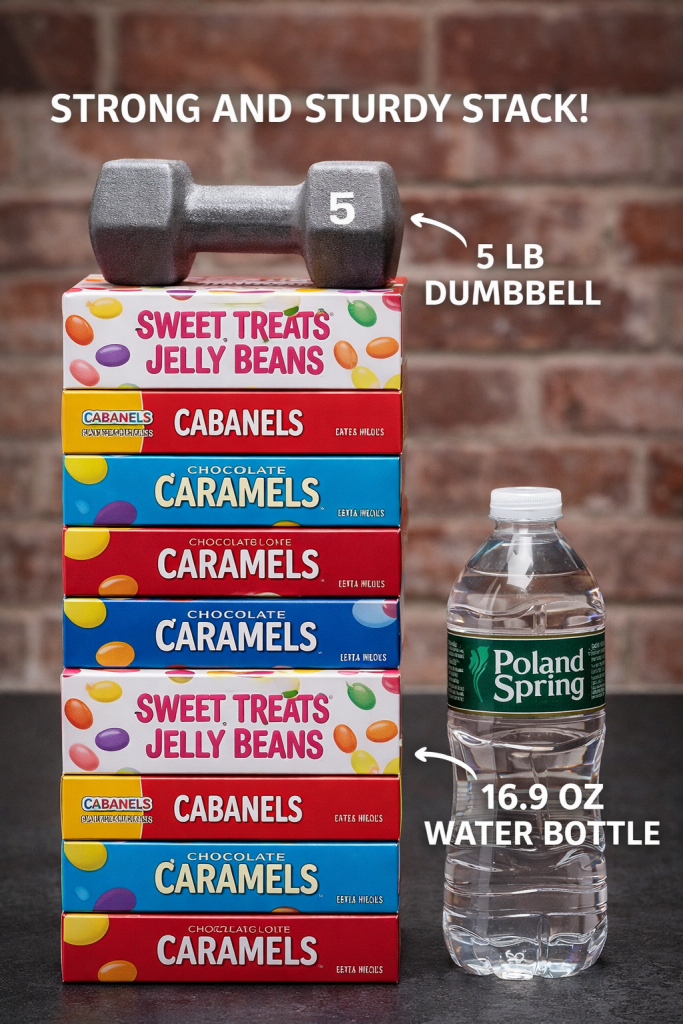
Another question many store owners ask is whether better packaging actually changes customer opinions. In many cases, it absolutely does. People often judge a product before tasting it. A crushed or sloppy package can make customers assume the candy inside is low quality, even if the flavor is excellent. A clean box with firm edges and secure construction creates a much better first impression right away.
Gift candy creates another challenge because appearance matters even more. Customers buying birthday chocolates, holiday sweets, or thank-you treats want the package to look presentable when it arrives. Nobody wants to hand someone a bent package that looks damaged during transit. Candy boxes help products feel more polished and gift-ready without needing excessive wrapping or decoration.
Businesses that sell handmade candy at fairs and local events also benefit from dependable packaging. Wind, moisture, and constant handling can quickly damage loose candy displays. Boxes help organize products neatly while protecting them from dirt or accidental spills. This becomes especially helpful during outdoor festivals where weather conditions can change quickly.
Another overlooked benefit involves storage space. Candy boxes help businesses stack products more efficiently in back rooms or inventory shelves. Loose candy containers often shift around and create clutter, while structured boxes help products stay organized and easier to count. Better organization can save time during busy seasons when workers need to move quickly.
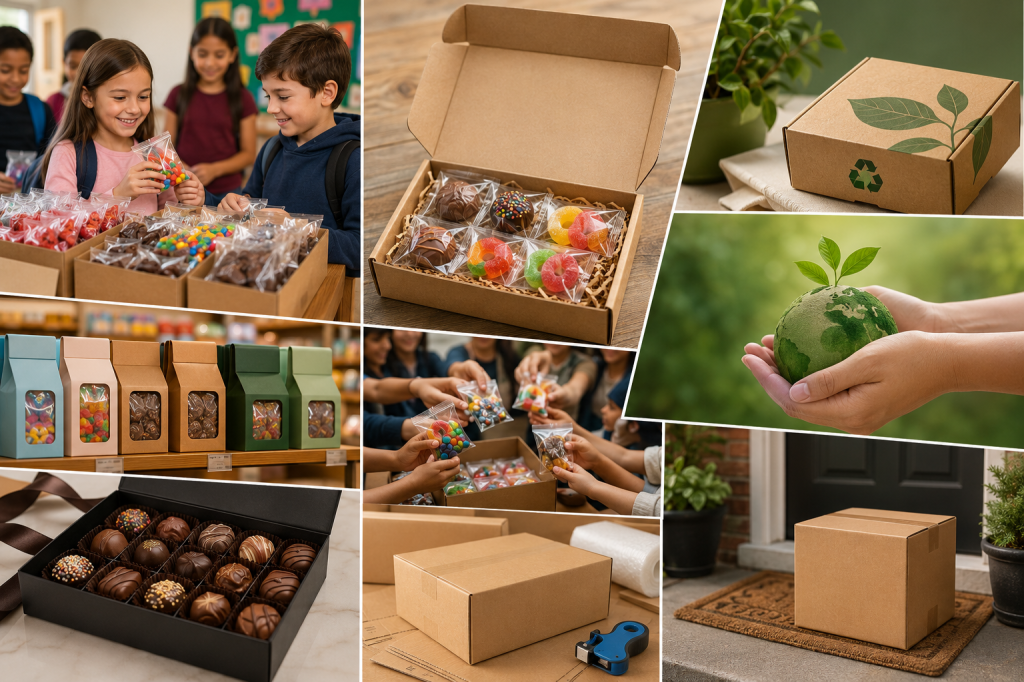
Parents and schools sometimes ask if candy packaging can improve safety during fundraisers or classroom events. Organized packaging helps reduce broken treats and keeps items cleaner during transportation. Individually packed candy inside secure boxes also makes distribution easier during large gatherings.
There is also growing interest in environmentally friendly packaging. Many shoppers pay closer attention to materials today than they did years ago. Recyclable candy boxes may appeal to customers looking for practical packaging that creates less waste. Businesses that make smarter packaging choices sometimes earn stronger customer loyalty because buyers appreciate responsible decisions.
Some candy companies focus heavily on flavor but forget packaging affects the entire customer experience. The box is often the first thing people touch and the last thing they remember after the candy is gone. A strong package can help products arrive safely, look professional, and stay fresh longer without creating unnecessary headaches for customers or business owners.
Good candy deserves dependable protection. Even small improvements in packaging can help products travel better, display better, and leave customers with a stronger impression after every order.
 Shrink Film Tech