Stop Ruining Treats

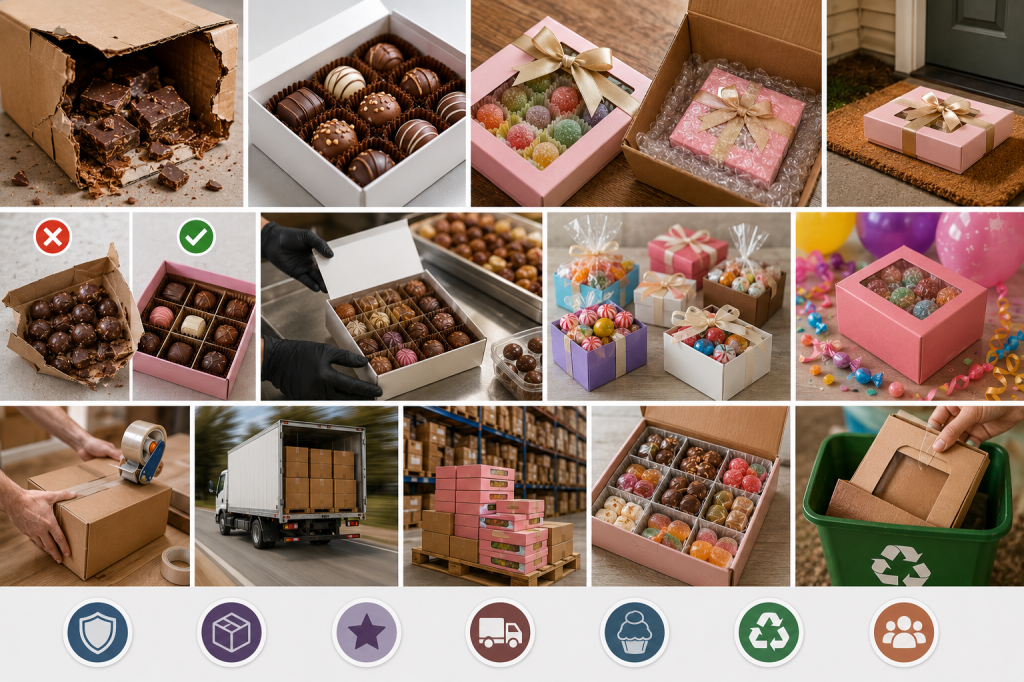
Some candy looks perfect when it gets made, but by the time it reaches a table or doorstep, it looks rough and smashed. A person may blame the weather or the shipping company first, yet the real trouble often starts with bad packaging. Candy boxes do much more than hold sweets. They help protect shape, flavor, and freshness from the moment the candy leaves the kitchen.

People often ask why certain candy stays neat while other candy turns into crumbs. The answer usually comes down to support. Soft boxes bend too easily. When boxes fold inward, hard candy cracks and chocolate pieces rub together. Stronger candy boxes help stop movement inside the package so the treats stay in better condition.

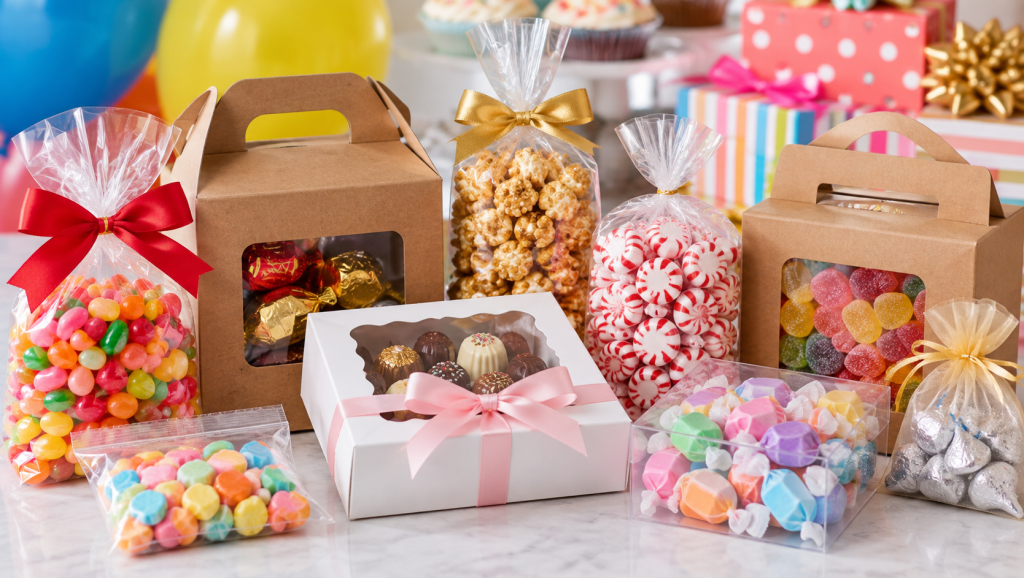
Another thing buyers wonder about is why gift candy feels more exciting than loose candy scooped into a sack. Presentation changes how people feel. When somebody opens a clean candy box with neatly placed treats, it feels more thoughtful and special. That same candy tossed inside plain wrapping may not create the same reaction, even if the taste is identical.

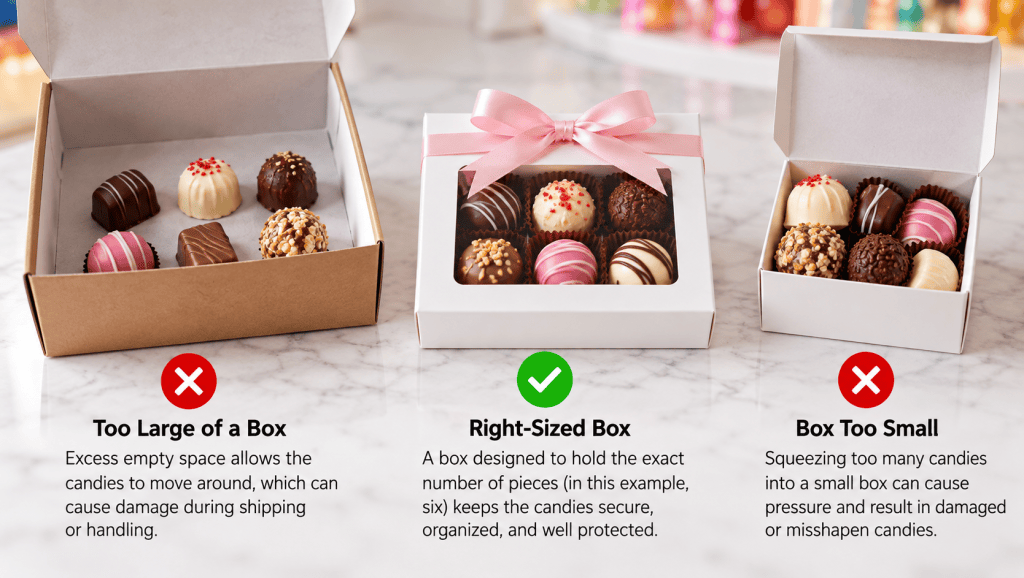
Many bakery owners and candy makers also use candy boxes because they help products stay organized. Sticky candies can become messy fast if they slide around during transport. Caramel, taffy, and chocolate-covered snacks may stick together if they are packed poorly. Boxes with proper spacing help separate pieces and keep everything looking cleaner.

Parents planning birthday parties ask another common question. They want to know why candy favors sometimes end up crushed before guests even leave the party. The answer is simple. Thin packaging does not hold up well when kids grab, stack, or carry items around. Small candy boxes made from thicker material usually survive much better during busy events.

Some businesses choose candy boxes because they help build trust with customers. A plain package may look rushed or cheap, even if the candy inside tastes wonderful. A clean box with a logo or design tells buyers the business cared about details. That small touch can help people remember the brand later.

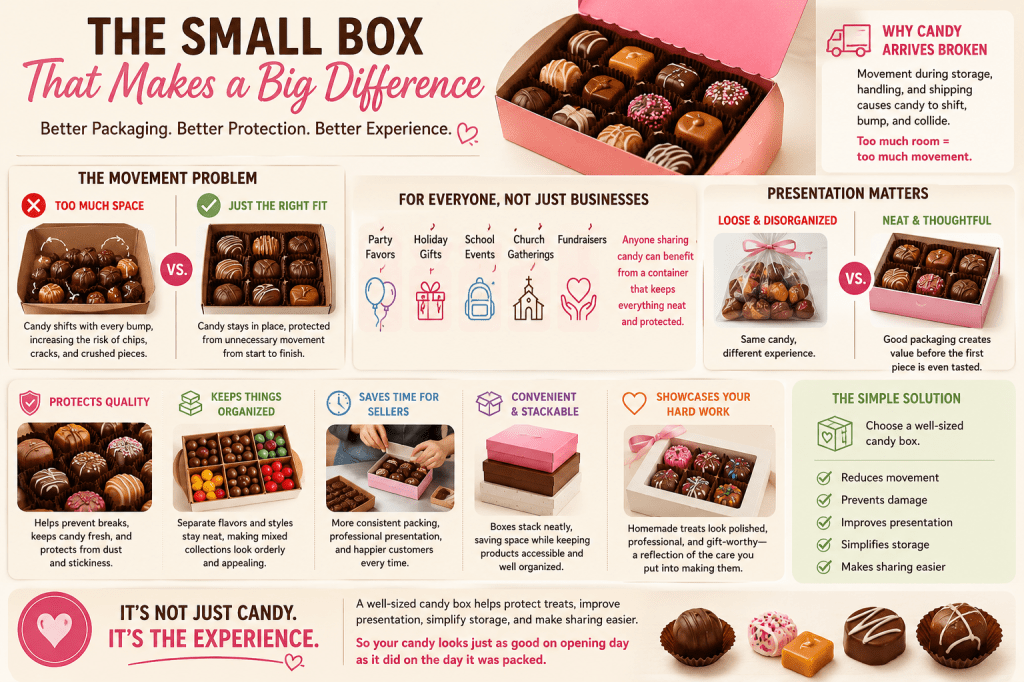
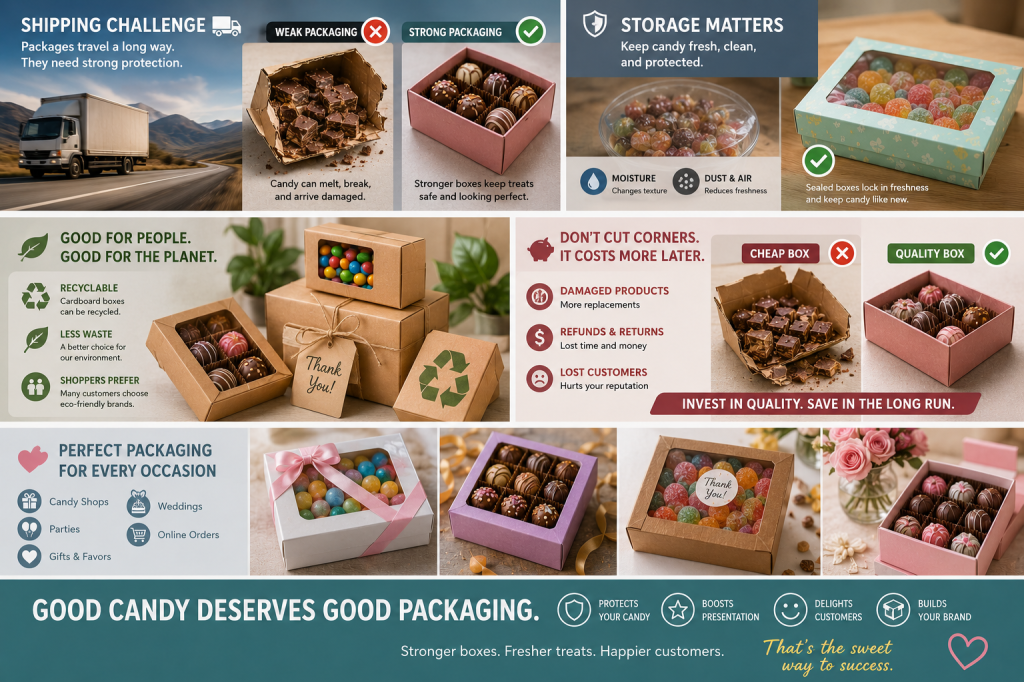
Shipping creates another challenge. Online candy shops now send products across the country every day. During travel, packages may bounce around inside trucks for hours. Without proper support, candy can melt together, chip apart, or arrive looking old. Many shipping problems improve when businesses switch to better candy boxes with stronger walls.

Storage matters too. Candy left sitting in open air can lose freshness quicker than many people realize. Moisture may change the texture. Dust can collect on exposed pieces. A sealed candy box helps create a safer place for treats while they wait to be sold or shared.

There is also growing interest in recyclable packaging. Some shoppers prefer cardboard candy boxes because they can often be recycled after use. Businesses that use recyclable materials may appeal to families trying to reduce waste around the home.

People sometimes try to save money by choosing the cheapest packaging possible. Later, they end up replacing damaged candy or refunding unhappy customers. That can cost more than using quality boxes from the beginning. A dependable candy box protects the product, improves appearance, and helps candy arrive the way it was meant to look.

Good candy deserves good packaging. Whether someone runs a candy shop, prepares wedding favors, or sells homemade sweets online, candy boxes help solve problems before they happen.

Stop Crushing Your Profits

A lot of candy businesses lose money in ways they never notice at first. They focus on recipes, flavors, labels, and advertising, but they overlook the one thing sitting between the candy and the customer the entire time. The box matters more than most people think because packaging problems can quietly create waste, damage, and unhappy buyers.

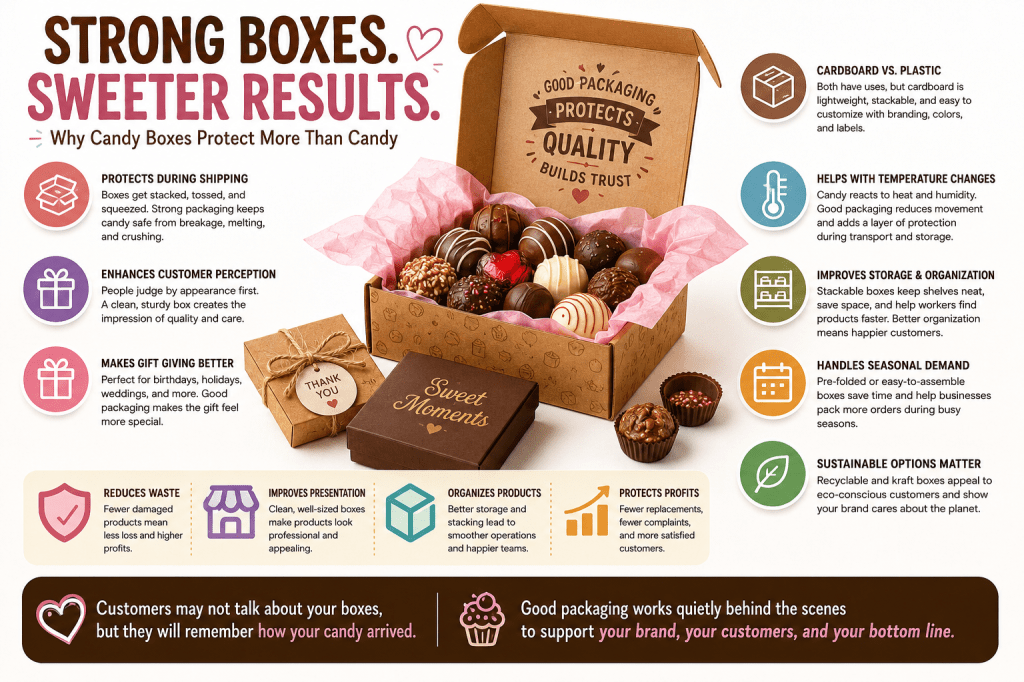
One question people ask often is why candy boxes need to be strong if candy itself is light. The answer is simple. Candy may not weigh much, but shipping boxes get stacked, tossed, bumped, and squeezed during delivery. A weak candy box can collapse faster than people expect, especially during busy seasons when packages move through warehouses quickly.

This becomes a bigger problem for small businesses that ship handmade products. Homemade chocolates, brittle, truffles, and dipped treats usually cost more to make than mass-produced candy. If products arrive broken, melted, or smashed, replacing them eats into profits fast.

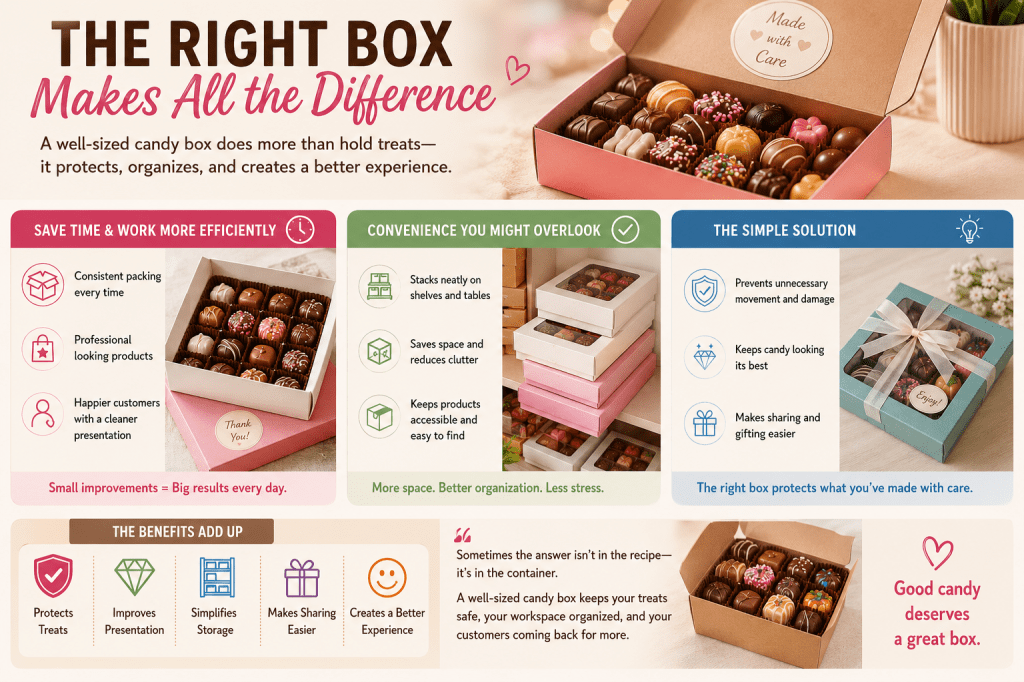
Another common question is whether fancy packaging really changes customer behavior. In many cases, it absolutely does. People naturally judge products by appearance before they ever try them. A neat candy box gives the impression that the business cares about quality. Even simple packaging can feel premium when it is clean, sturdy, and well sized for the product inside.

Gift giving is another reason candy boxes matter so much. Many customers buy candy for birthdays, holidays, weddings, baby showers, and thank-you gifts. In those situations, presentation becomes part of the purchase itself. Nobody wants to hand someone a crushed box with wrinkled corners. Strong packaging helps candy feel special before the box is even opened.

Some people wonder if cardboard candy boxes work better than plastic containers. Both have their uses, but cardboard remains popular because it is lightweight, stackable, and easier to customize. It also gives businesses more room for branding, colors, and labels without making the package feel bulky.

Temperature changes are another hidden issue people do not think about enough. Candy reacts quickly to heat and humidity. Chocolate can soften. Hard candy can become sticky. Caramel can shift around inside the box. Good packaging helps reduce movement and creates another layer of protection during transport and storage.

There is also the question of storage space. Candy shops and bakeries usually handle many product sizes at once. Boxes that stack properly make shelves easier to organize and keep products looking clean. When inventory stays neat, workers can find products faster and customers enjoy a better shopping experience.

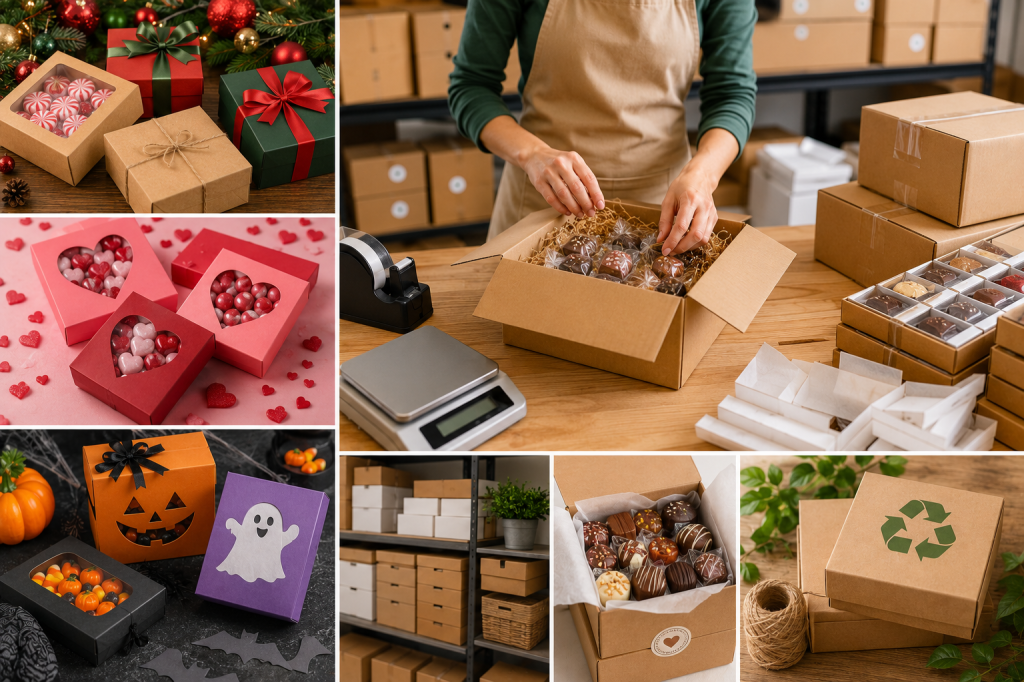
Seasonal businesses especially benefit from quality candy boxes. During Christmas, Valentine’s Day, and Halloween, order volume often jumps quickly. Businesses need packaging that can handle higher demand without slowing down operations. Pre-folded or easy-to-assemble candy boxes help save time when workers are packing hundreds of orders.

Today many buyers also pay attention to environmental concerns. Recyclable candy boxes can appeal to customers who want less waste and cleaner packaging options. Some businesses even use natural-looking kraft boxes because they create a simple, handmade appearance people trust.

The truth is most customers will never compliment a candy box directly. They will not send emails talking about cardboard thickness or folding corners. What they will remember is whether the candy arrived looking clean, safe, and professional. Good packaging quietly protects the product and helps the entire buying experience feel smoother.

That is why candy boxes are not just containers sitting on a shelf. They help businesses reduce waste, improve presentation, organize products, and protect profits at the same time.