The Secret Behind Gift Candy

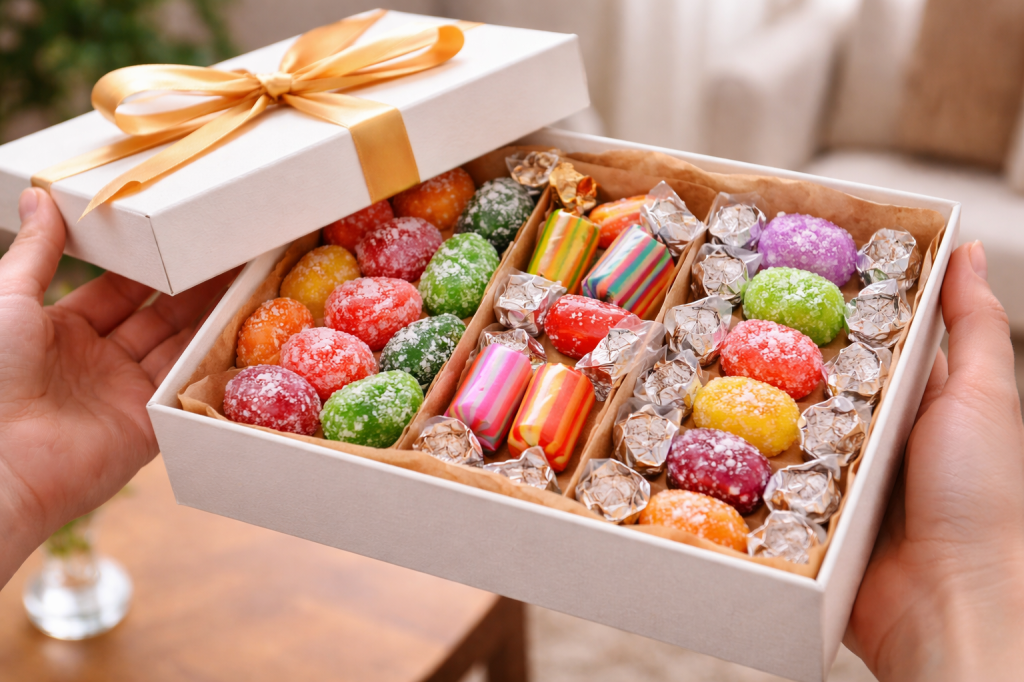
Almost everyone has opened a piece of candy that came from a box. The moment the lid lifts, rows of colorful sweets appear like tiny treasures waiting to be chosen. That simple moment feels exciting, and much of that feeling comes from the candy box itself. While people often focus on the candy, the box plays an important role in how the treat is enjoyed.

Candy can be fragile. A chocolate shell can crack if it bumps into something hard. Caramel can stick to other pieces if it gets warm. Gummy candy can lose its shape if it sits under pressure. Candy boxes help prevent these problems. The firm walls of the box protect the treats during travel, keeping them safe from being squeezed or crushed.
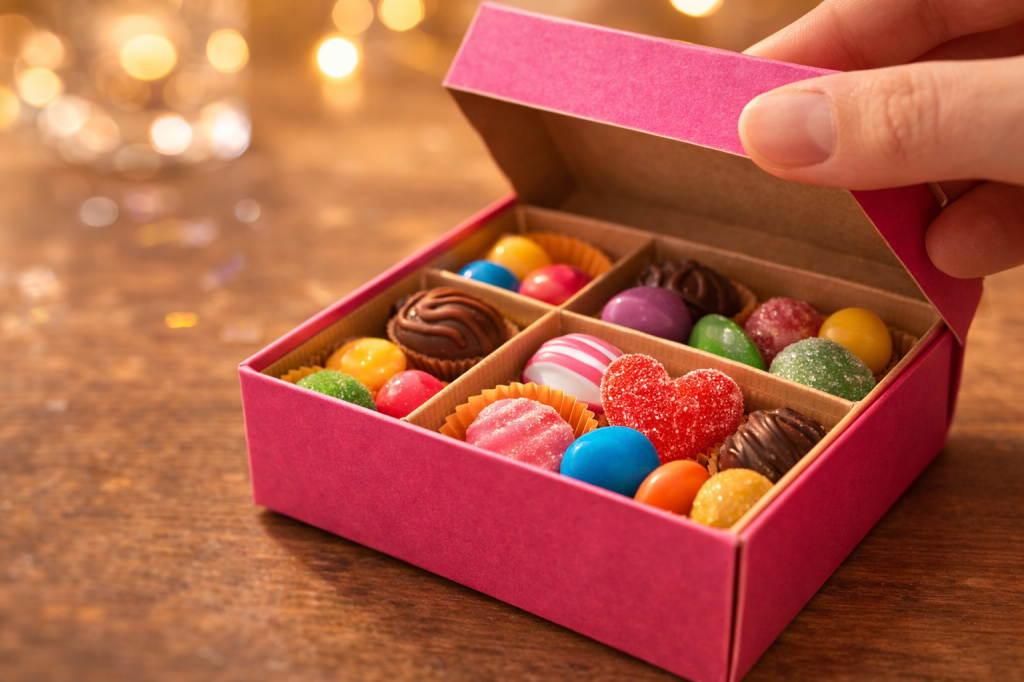
Many candy boxes are designed to hold sweets in an orderly way. Instead of tossing candy into a bag where everything slides together, the box keeps pieces lined up in rows. This makes it easy to see each piece before choosing one. A person might pause and look over the different shapes and colors before picking their favorite. That small moment of choice makes the experience feel more fun.

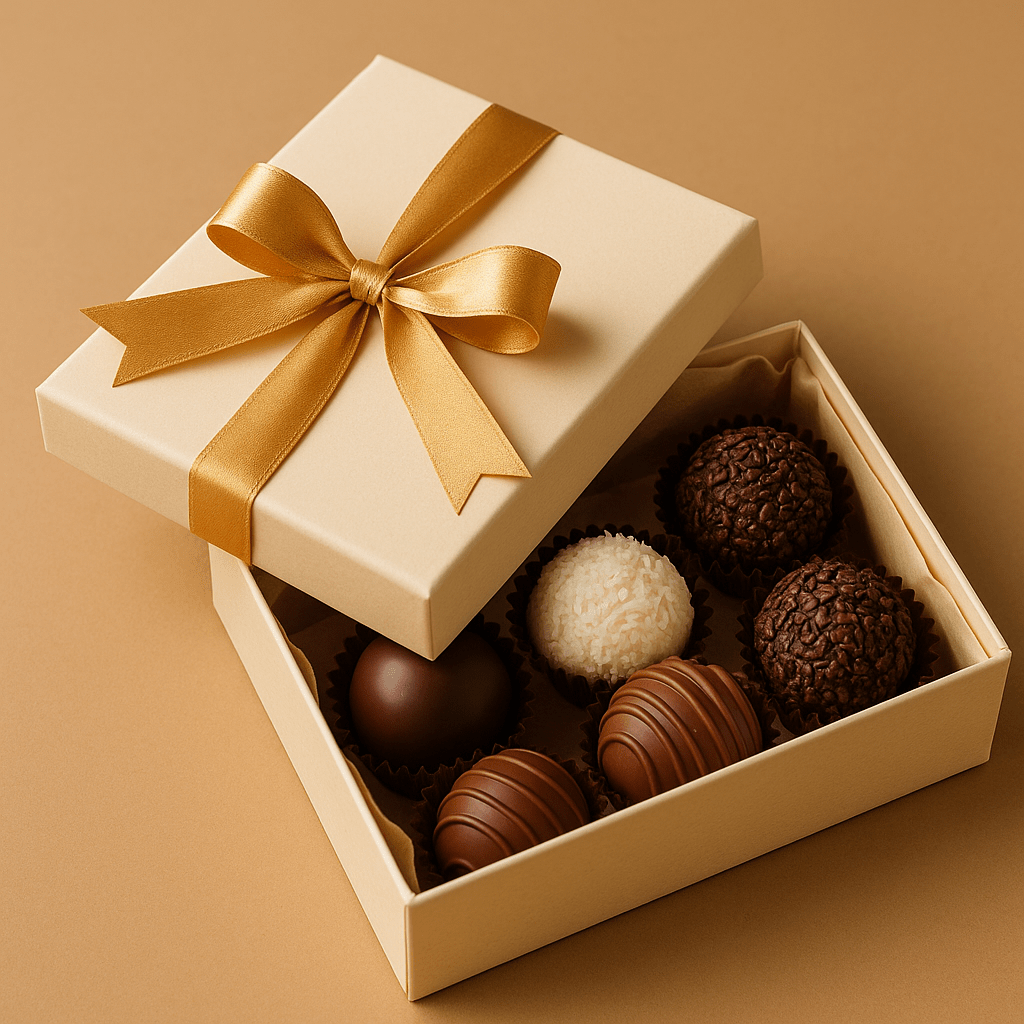
Candy boxes also help people present sweets in a thoughtful way. When someone gives candy as a gift, the box becomes part of the message. Imagine a small box tied with a ribbon sitting on a kitchen table. The person receiving it does not know what is inside yet, but they can already feel the care that went into preparing it. The box builds anticipation before the first bite even happens.

Another helpful feature of candy boxes is how they help control portions. Instead of eating candy straight from a large bag, people often take one piece at a time from a box. The rows of sweets make it easy to choose slowly. Someone might enjoy a single chocolate while talking with friends or sharing a few pieces during a quiet evening.

For people who make candy themselves, boxes can be a simple way to package homemade treats. A baker might spend hours preparing fudge or chocolate truffles. After the candy cools, placing the pieces inside a box helps keep them neat and easy to carry. When friends or neighbors open the box, they see a collection of sweets arranged with care, almost like a small display.
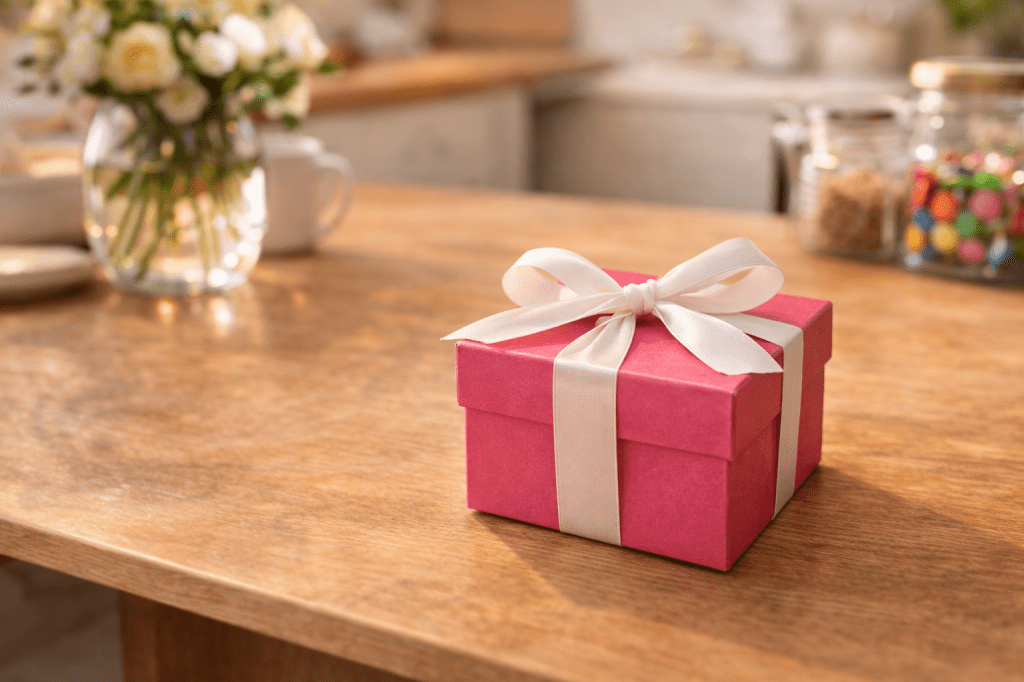
Candy boxes are also useful during celebrations. At weddings, parties, and holidays, hosts often place candy boxes at tables as favors for guests. Each person takes one home as a small reminder of the event. The box keeps the candy protected while guests travel home, making sure the treat still looks good when it is opened later.

Storage is another simple benefit. Candy boxes can stack neatly on shelves or inside cabinets. This keeps sweets organized instead of scattered in different bags. When someone wants a treat, they can simply open the box and see what is available without searching through clutter.

In many ways, candy boxes help turn a simple sweet into a small experience. They protect delicate treats, organize flavors, and create a moment of surprise when the lid opens. Whether used for gifts, celebrations, or homemade desserts, a candy box helps make the joy of candy feel just a little more special.
Why your candy looks cheap

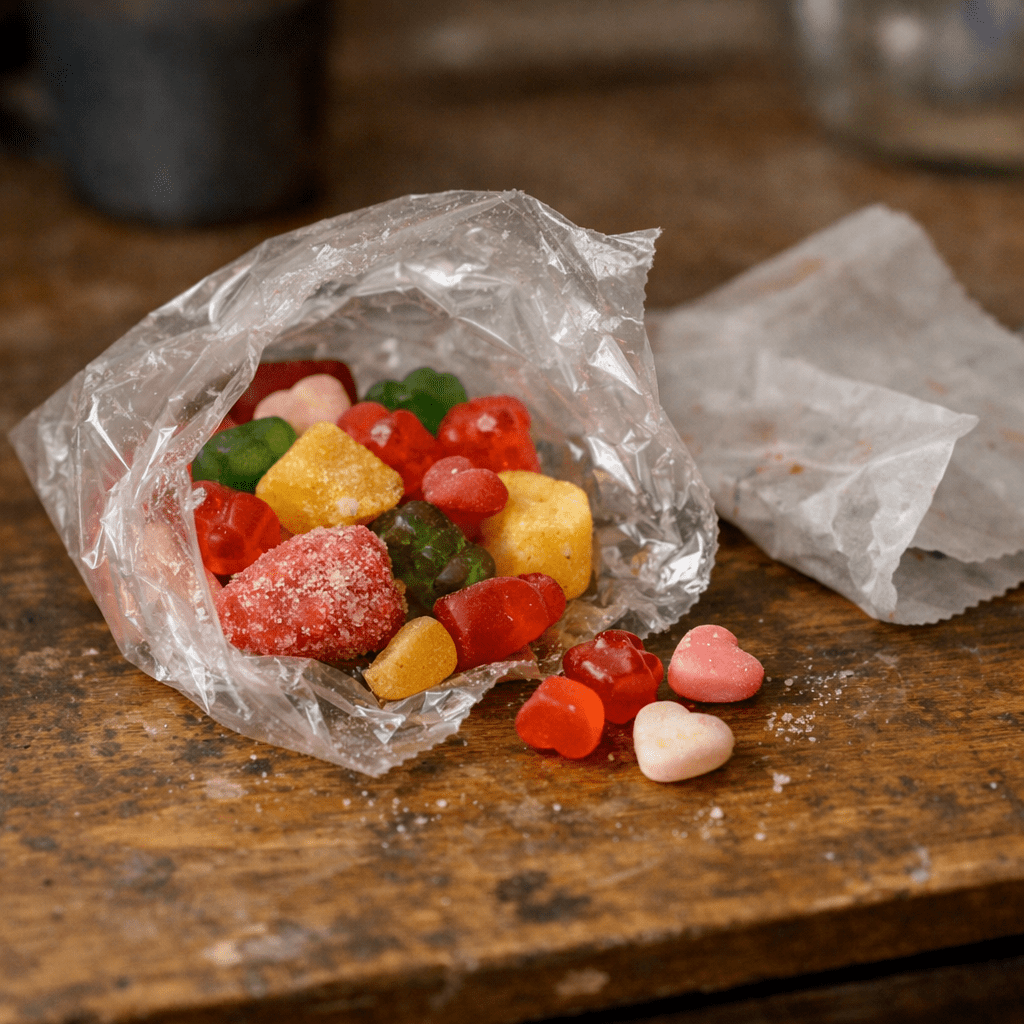
Have you ever given someone candy and felt like it did not land the way you hoped? The taste might be great, but something feels off. The candy is in a wrinkled bag, pieces are uneven, and it just does not feel like a gift. This is something many people notice, even if they do not say it out loud.

A common question people have is why some candy feels special while other candy feels ordinary. The difference is often not the candy itself. It is how it is presented. The way something looks before you taste it shapes the whole experience.

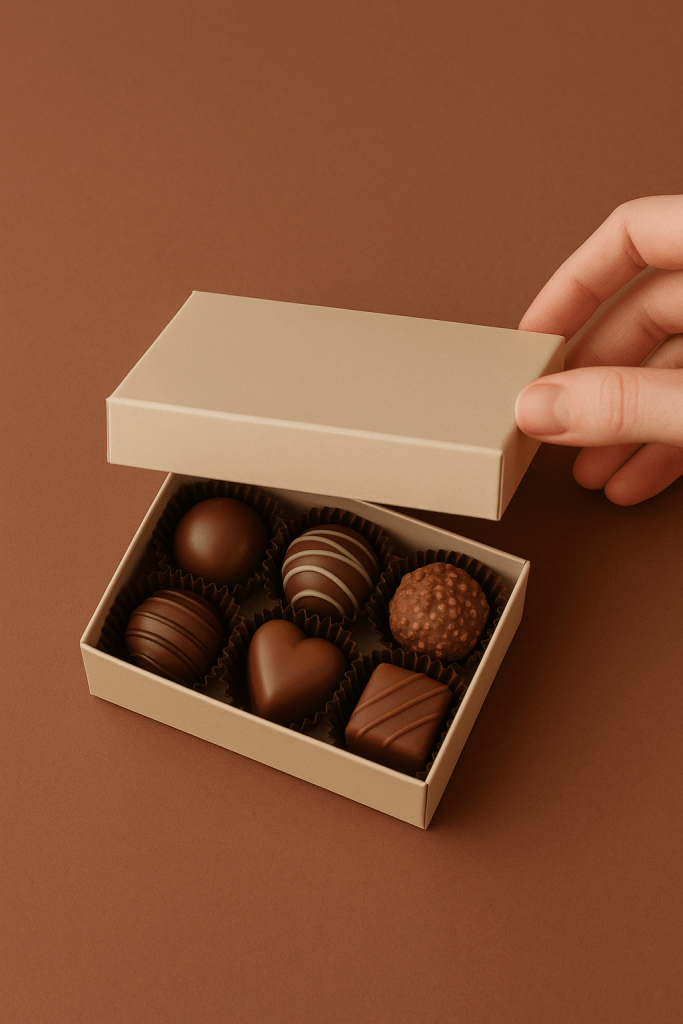
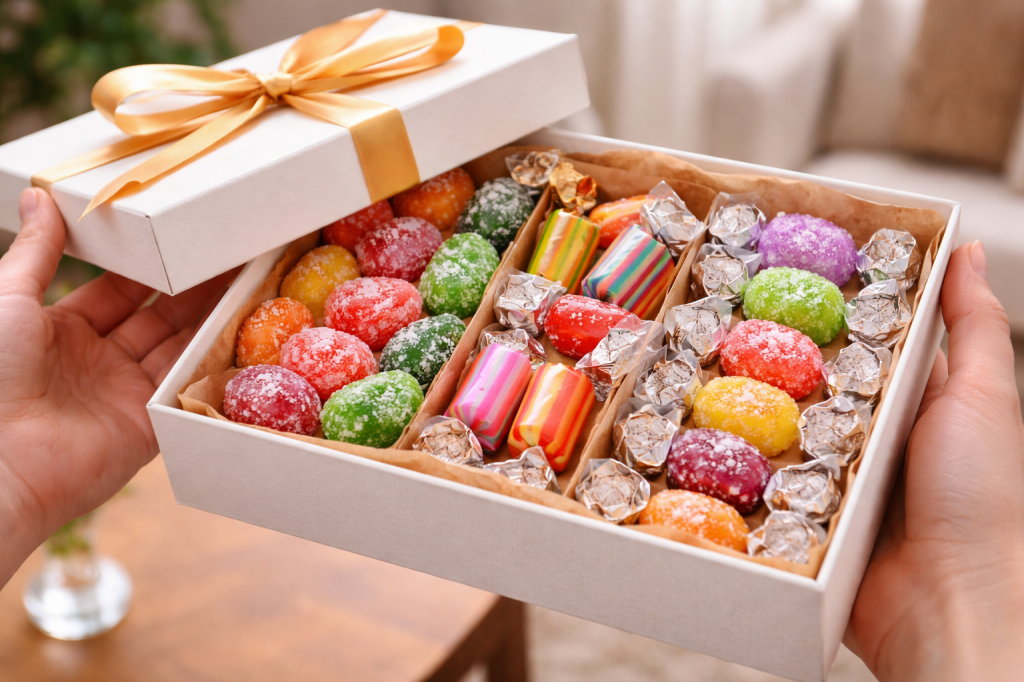
Candy boxes change that moment right away. Instead of handing over a loose bag, you offer something that has shape and structure. When someone lifts the lid, they see the candy arranged in a clean and simple way. It creates a pause, a small moment where the person takes it in before reaching for a piece.

Think about opening a box and seeing rows of colorful treats, each one easy to grab, each one looking like it belongs there. It feels more thoughtful, even if the candy inside is something simple you could find anywhere. The box helps tell a different story.

People often ask how to make small gifts feel more meaningful without spending more money. One easy answer is to focus on presentation. A box turns candy into something that feels planned and cared for. It shows that you took an extra step, even if that step only took a few seconds.

Candy boxes also help keep everything looking clean. When candy is loose, it can collect dust, pick up marks, or lose its shine. A box protects it from that. When you open it, the candy still looks bright and fresh, the way it did at the start.

Another benefit is how easy it becomes to organize different kinds of treats. Instead of mixing everything together, you can place items in a way that makes sense. This is helpful for parties, gift sets, or even small sales. People can see what they are choosing without digging through a pile.

There is also a feeling of confidence that comes with using a box. You do not have to worry about things spilling or shifting. You can carry it, set it down, and hand it over without second guessing how it looks. That peace of mind makes the whole process easier.

For anyone who wants to make a better impression, this matters. People remember how something made them feel. When candy looks neat and well placed, it feels like more than just a snack. It feels like a small experience.

In the end, candy boxes do more than hold sweets. They help turn simple candy into something that feels thoughtful, clean, and worth sharing. When the first look creates a good feeling, everything that follows becomes even better.

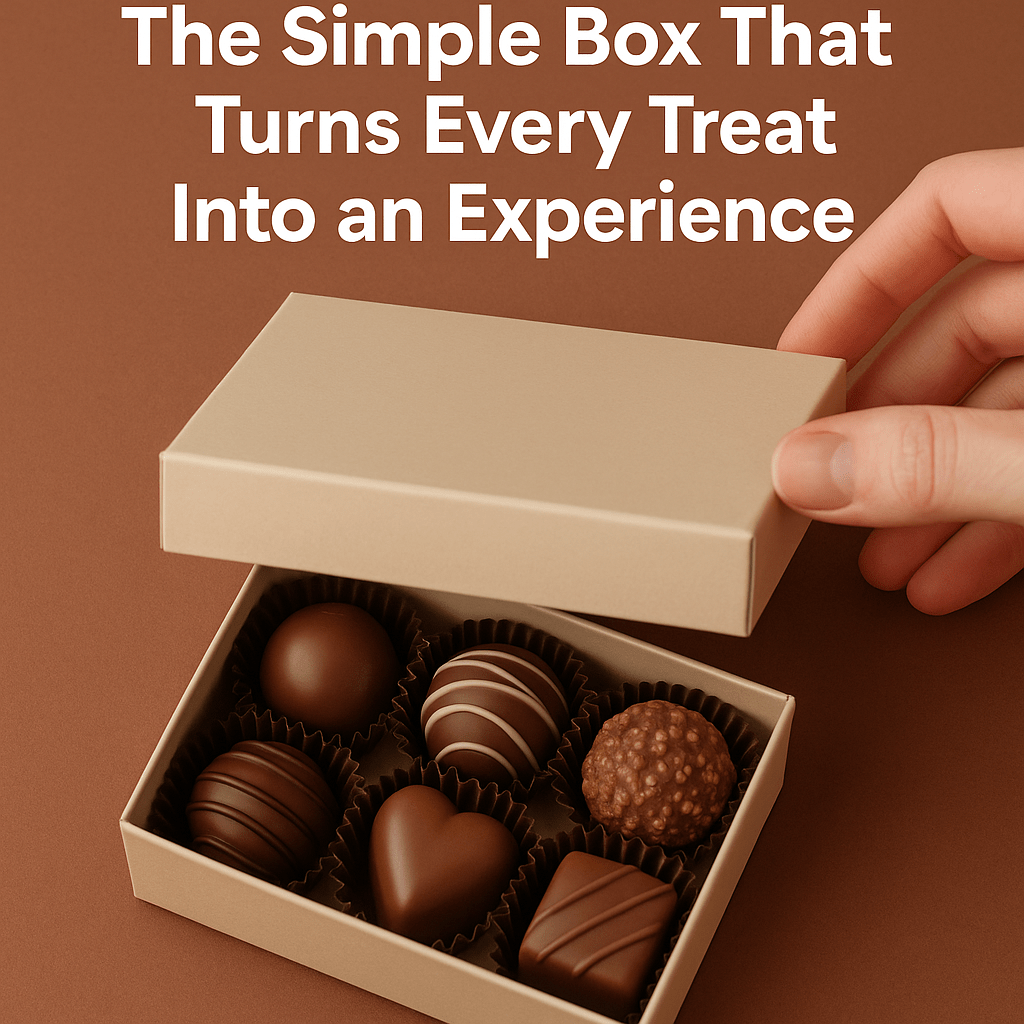
The Simple Box That Turns Every Treat Into an Experience

Candy boxes aren’t just little containers you grab at the last minute—they’re the first impression, the stage, and the silent storyteller of every sweet treat your customers enjoy. When you choose the right candy boxes, you’re not just protecting chocolate truffles or gummy clusters; you’re creating a moment. A moment where someone lifts the lid and instantly feels like the treat inside is worth savoring. That experience starts long before the first bite and long before your product ever reaches the hands of your customers. It starts with packaging that looks polished, feels sturdy, and communicates that care was part of the process from the beginning.

The demand for high-quality candy boxes isn’t going anywhere. In fact, small bakeries, home-based candy makers, boutique chocolate shops, and corporate gifting programs rely on packaging that feels premium without adding unnecessary cost. The right box has the power to elevate your product without changing a single ingredient inside it. That’s why choosing candy boxes made from durable materials matters. A flimsy box weakens the brand, while a well-constructed one signals that what’s inside is worth protecting. Customers feel the difference the moment they hold it.

Businesses often underestimate how much packaging influences buying behavior. A well-designed candy box makes your treats look more gift-ready, more professional, and more worth the price. It’s one of the easiest ways to position your product as high-value without increasing your production budget. People aren’t just buying chocolate—they’re buying presentations. They’re buying the feeling that what they’re gifting or enjoying came from a brand that takes pride in the details. When your boxes reflect that pride, your product stands out in a crowded market.

Candy boxes are also an opportunity to strengthen consistency across your brand. Whether you’re shipping hundreds of units or selling small-batch items at a local market, having uniform packaging helps establish recognition and trust. A sturdy box with clean lines and a smooth finish creates a polished, professional look every time. Customers return to brands that feel reliable, and packaging plays a major role in creating that perception long before a single review is written.

Another advantage of quality candy boxes is their versatility. They aren’t limited to chocolate-covered almonds or caramel squares. These boxes work beautifully for fudge, macarons, handmade mints, brittle clusters, taffy assortments, and even high-end baked treats. Many businesses choose standardized boxes and then customize the internal presentation with inserts, tissue, stickers, or branded labels. This approach keeps costs low while still offering that elevated “boutique” feel customers love.

Sustainability also matters more than ever. Eco-conscious shoppers value packaging that’s recyclable and responsibly made. Choosing candy boxes crafted from recyclable materials sends a message: you care not only about the product, but also about the impact it makes after it’s enjoyed. Without leaning into trends or loud messaging, it simply shows that your business values responsible choices. Many customers appreciate that more than they ever say out loud—and it becomes another reason they choose your brand again.

When your candy boxes check all the right boxes—strength, appearance, consistency, and eco-friendly materials—you position your business ahead of others who overlook how much packaging influences success. Your product deserves a box that enhances the experience, strengthens your brand, and keeps customers coming back. A strong candy box isn’t just packaging. It’s presentation, protection, and professionalism wrapped into one dependable solution.

Candy People Slow Down For

Candy is supposed to feel like a small reward, but most of the time it doesn’t. It gets tossed into a bag, hidden in a drawer, or poured into a bowl that people pass without thinking. The treats are still there, but the excitement is gone. When candy feels too easy to grab, it stops feeling special.

That’s where candy boxes quietly change behavior. A box creates a pause. Someone has to lift a lid or open a flap. That tiny action slows the moment just enough for the brain to register what’s about to happen. Instead of mindless snacking, there’s anticipation. That pause is powerful, even if people don’t realize why they enjoy it.

Many people struggle with candy disappearing too fast. One day it’s full, the next day it’s gone. This usually isn’t about self-control. It’s about access. When candy sits out in the open, hands reach for it without thinking. A box introduces intention. People choose to open it. They choose how much to take. That choice changes the relationship with the treat.

Candy boxes also protect the experience. Loose candy shifts, sticks, and picks up crumbs or dust. Over time, even good candy starts to look tired. A box keeps pieces separated and still. Colors stay bright. Shapes stay clean. When candy looks fresh, people trust it more and enjoy it longer.

Picture a table during a gathering. Snacks are spread everywhere. A bowl of candy blends in and gets ignored after the first few minutes. A box, sitting slightly apart, draws curiosity. Someone opens it. Others notice. The candy becomes part of the moment instead of background noise.

There’s also a comfort factor with cleanliness. Shared candy can make people hesitate. They wonder how many hands reached in before them. A box feels more controlled. It opens, someone takes a piece, and it closes again. That simple action makes sharing feel safer and more thoughtful.

Candy boxes help with storage in ways people don’t expect. Candy left in bags often ends up crushed or stale. Boxes protect against pressure and air without extra effort. When treats taste the way they’re supposed to, people enjoy them more and waste less. Fewer pieces get thrown away because they “don’t look right.”

Another quiet benefit is how boxes teach pacing. Kids learn that candy isn’t something to grab constantly. Adults stop grazing without noticing. The box doesn’t lecture. It just creates a boundary. That boundary helps candy last longer and keeps it enjoyable instead of overwhelming.

There’s also an emotional layer to this. Candy given in a box feels intentional. It feels chosen. Even simple candy becomes a gesture instead of an afterthought. That matters in offices, classrooms, and homes. People feel considered when something is presented with care.

Candy boxes don’t change what’s inside them. They change how people approach it. They slow the moment, protect the treat, and make sharing feel natural. In a world full of distractions, that small pause can make a big difference.

When people slow down, they enjoy more. And candy that’s enjoyed slowly is remembered longer.

Why candy loses its magic

Have you ever saved a piece of candy for later, only to come back and find it does not taste the same? Maybe it feels dry, or the flavor seems dull, or it has turned into a sticky lump that is hard to enjoy. This happens more often than people think, and it can take the fun out of something that was meant to be a simple treat.

A common question people ask is why candy changes so quickly. The truth is that candy reacts to its surroundings. Air, heat, and even light can slowly affect how it looks and tastes. When candy is left in thin packaging or loose containers, it has little protection from these changes.

This is where candy boxes come in as a simple and helpful solution. Instead of leaving candy exposed, a box creates a more stable space around it. When you close the lid, it reduces how much air moves in and out. This helps the candy stay closer to how it felt the first time you opened it.

Think about opening a box a few days later and finding the candy still soft, still bright, and still full of flavor. That moment feels different. It feels like nothing was lost. The experience stays the same, and that is what most people want when they save something for later.

Another way candy boxes help is by keeping pieces from touching too much. When candy is packed tightly in a bag, it often sticks together, especially if it is warm. You may pull one piece out and find three more attached to it. In a box, there is more structure. The candy has space to sit without pressing into each other, which helps it keep its shape.

People also wonder how to make candy feel more like a gift without spending more money. The answer is often in the way it is presented. When candy is placed inside a neat box, it feels more thoughtful. Picture handing someone a small box that opens to reveal rows of treats, each one easy to pick up and enjoy. It creates a better moment, even if the candy is simple.

Candy boxes can also make a difference when you are planning events. Whether it is a birthday, a holiday, or a small gathering, having candy stored in boxes makes it easier to set things up. You can place them on tables, stack them neatly, and keep everything looking clean. There is no need to worry about spills or scattered pieces.

For those who care about reducing waste, candy boxes can also help in a small but meaningful way. When candy stays fresh longer, fewer pieces get thrown away. This means you enjoy more of what you bought, and less ends up in the trash.

In the end, candy boxes do more than just hold sweets. They help protect the taste, keep the shape, and make each moment feel just a little more special. When candy keeps its magic from the first bite to the last, it becomes something worth slowing down and enjoying.
After The Holidays, Packaging Tells the Truth

January is when reality sets in for candy businesses. The holidays are over, the rush has passed, and there is finally time to look back without the pressure of nonstop orders. This is usually when packaging problems become obvious. Candy may have sold well, but boxes often tell a different story once things slow down.

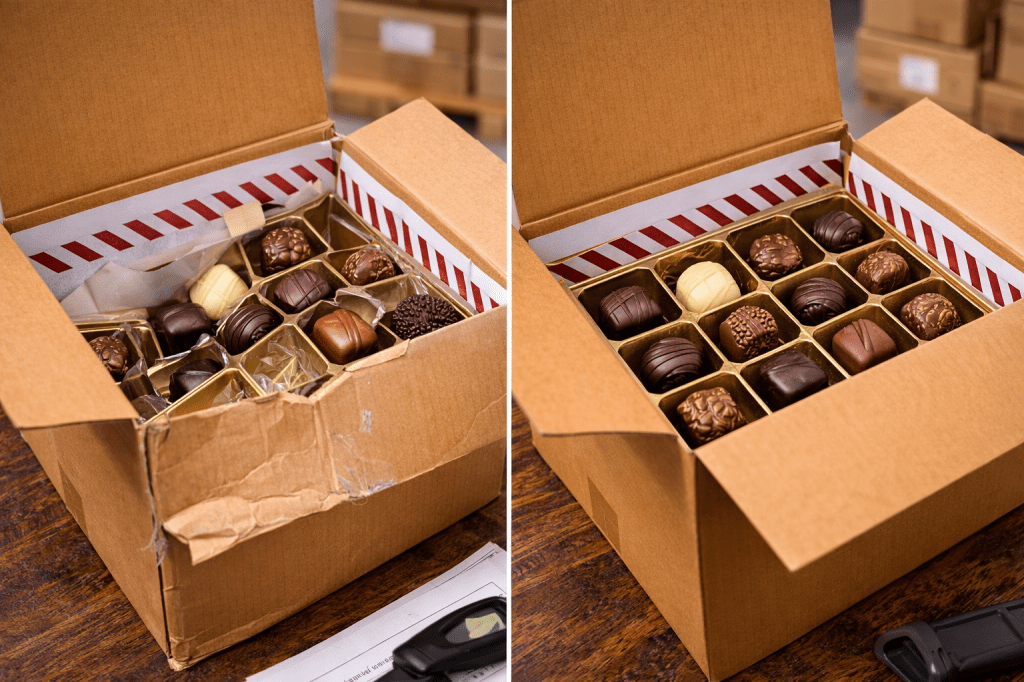
Candy boxes go through a lot more than people realize. They are packed quickly, stacked high, moved across warehouses, loaded into trucks, and handled by multiple people before reaching the customer. If a box is weak, it will show. Lids loosen, corners dent, and presentation suffers. January is when those issues can no longer be ignored.

Many businesses notice that returns and complaints feel heavier after the holidays. Not always because the candy was bad, but because something arrived looking off. A cracked corner or a loose insert change how the entire product feels. Customers expect candy to arrive clean, neat, and gift-ready, even when it is not a holiday order.

January is also when brands start preparing for the next wave of demand. Valentine’s Day is the obvious one, but spring events, corporate gifts, and everyday orders follow closely. Candy boxes chosen now will be used repeatedly in the months ahead. This makes January the smartest time to evaluate quality and consistency.

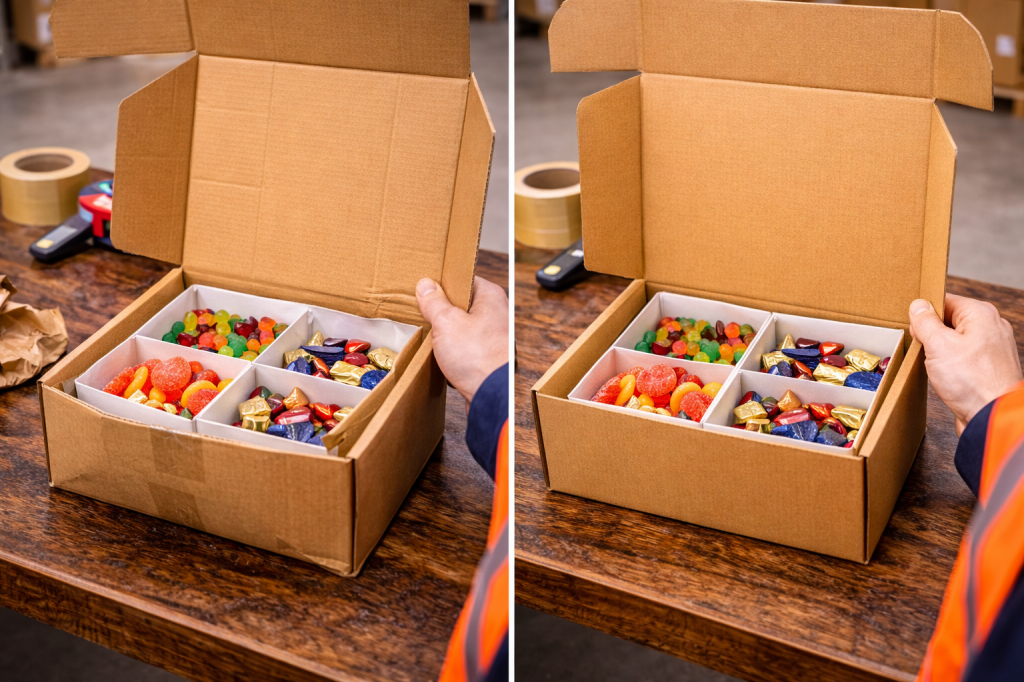
Poor-quality boxes often slow down packing without anyone realizing it at first. When lids do not align or inserts slide around, packers adjust and fix issues on the fly. Those seconds add up. Over time, they turn into hours of lost productivity and frustration. Better candy boxes remove that friction. Everything fits the way it should, and packing becomes routine instead of a workaround.

There is also a cost factor that shows up clearly in January. During busy seasons, waste can hide inside high volume. Once things slow down, damaged boxes and reorders stand out. Choosing sturdy candy boxes reduces that waste and protects margins in a quieter month when every expense feels more visible.

January is when many businesses also rethink responsibility. Using boxes that hold up better means fewer replacements and less material thrown away. That approach is practical, not trendy. It is about using resources wisely and avoiding unnecessary loss. Well-made candy boxes support that goal naturally.

Consistency matters more than decoration. Customers may not praise a box when it works, but they notice when it fails. A solid candy box supports the product quietly. It keeps everything in place and lets the candy speak for itself. That consistency builds trust over time.

This slower month creates space to reset systems. Candy boxes are one of the easiest improvements to make because they touch every order. Better boxes improve packing speed, reduce damage, and support a more professional presentation without changing the product itself.

January does not need flashy changes. It needs smart ones. Candy boxes that perform reliably now will support smoother operations when volume increases again. Fixing packaging after problems show up is harder than fixing it during a calm month.

The start of the year is about building a stronger foundation. Candy boxes are part of that foundation. When they work the way, they should, everything else feels more stable moving forward.