Stop Crushing Your Profits

A lot of candy businesses lose money in ways they never notice at first. They focus on recipes, flavors, labels, and advertising, but they overlook the one thing sitting between the candy and the customer the entire time. The box matters more than most people think because packaging problems can quietly create waste, damage, and unhappy buyers.

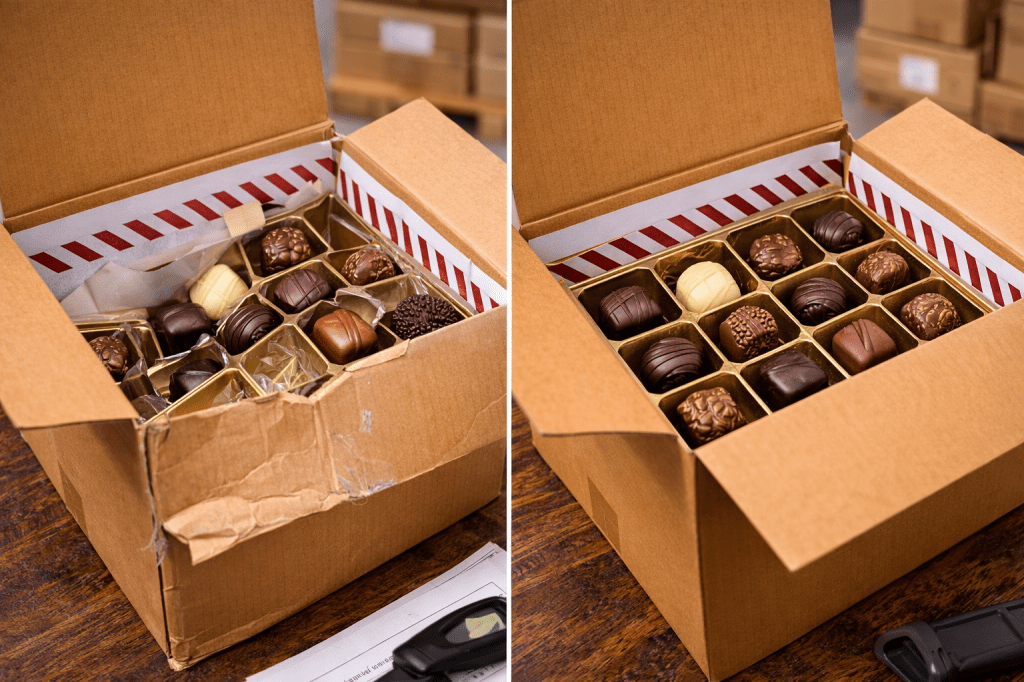
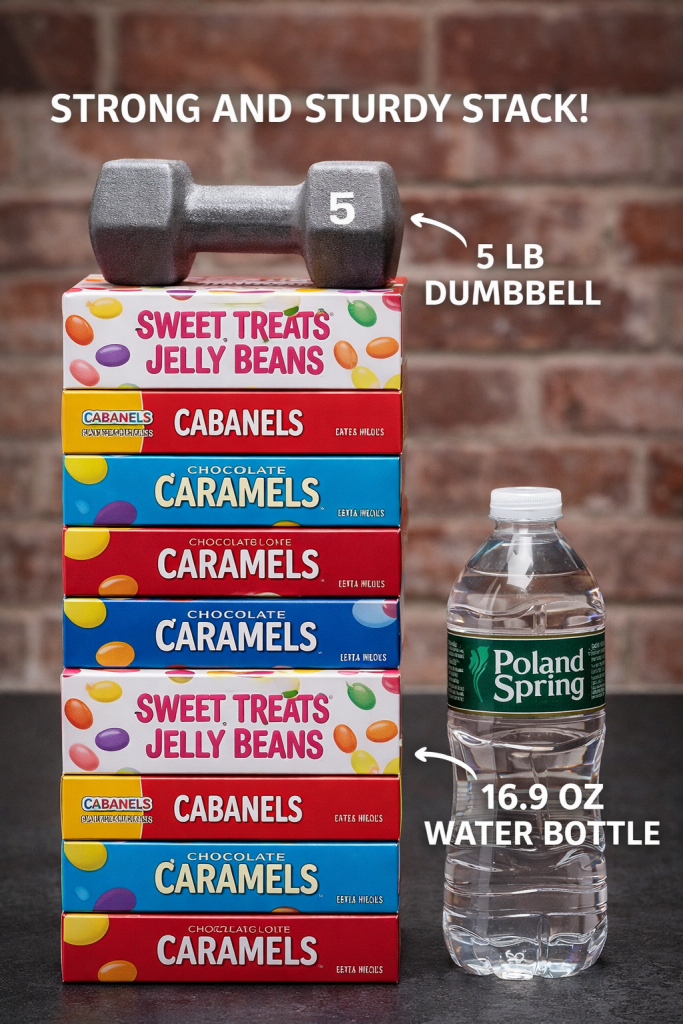
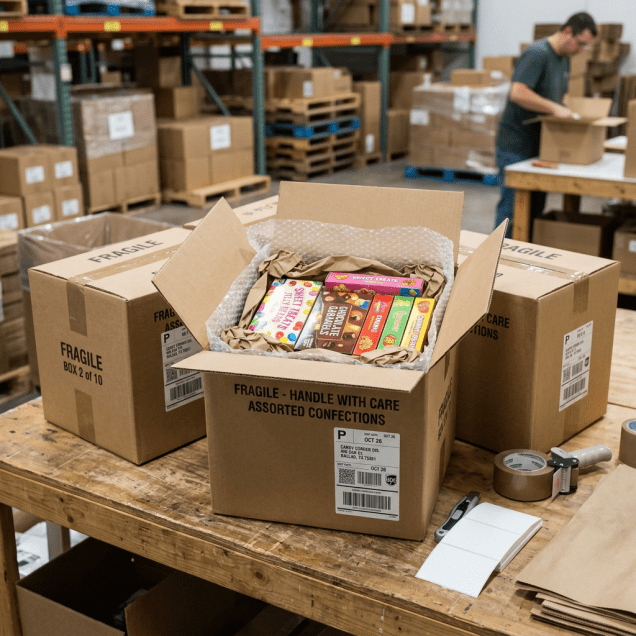
One question people ask often is why candy boxes need to be strong if candy itself is light. The answer is simple. Candy may not weigh much, but shipping boxes get stacked, tossed, bumped, and squeezed during delivery. A weak candy box can collapse faster than people expect, especially during busy seasons when packages move through warehouses quickly.

This becomes a bigger problem for small businesses that ship handmade products. Homemade chocolates, brittle, truffles, and dipped treats usually cost more to make than mass-produced candy. If products arrive broken, melted, or smashed, replacing them eats into profits fast.
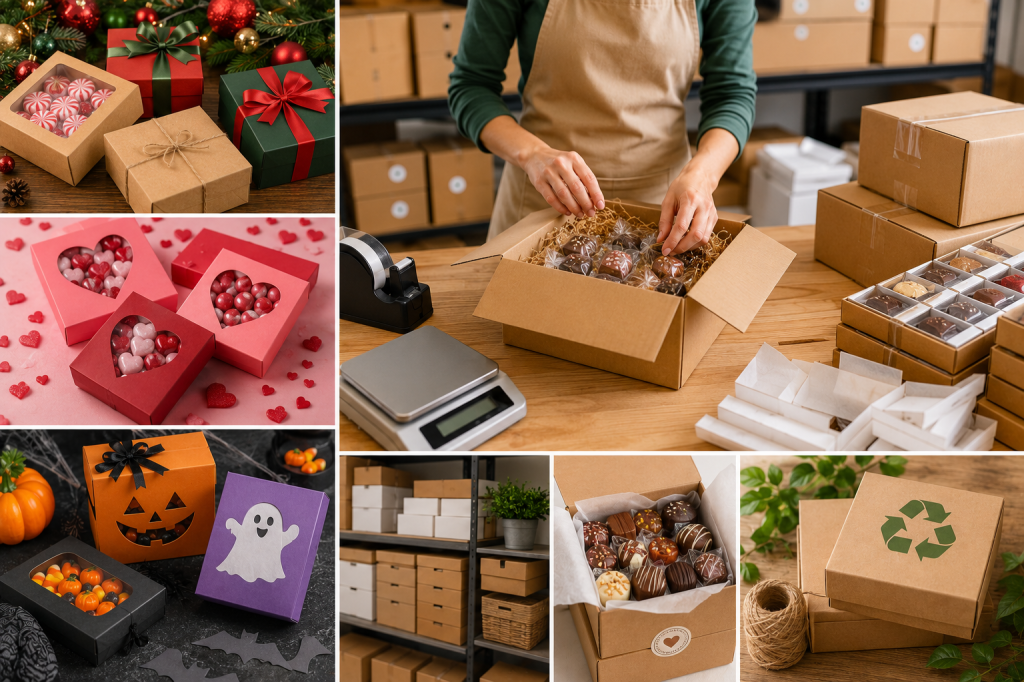
Another common question is whether fancy packaging really changes customer behavior. In many cases, it absolutely does. People naturally judge products by appearance before they ever try them. A neat candy box gives the impression that the business cares about quality. Even simple packaging can feel premium when it is clean, sturdy, and well sized for the product inside.

Gift giving is another reason candy boxes matter so much. Many customers buy candy for birthdays, holidays, weddings, baby showers, and thank-you gifts. In those situations, presentation becomes part of the purchase itself. Nobody wants to hand someone a crushed box with wrinkled corners. Strong packaging helps candy feel special before the box is even opened.

Some people wonder if cardboard candy boxes work better than plastic containers. Both have their uses, but cardboard remains popular because it is lightweight, stackable, and easier to customize. It also gives businesses more room for branding, colors, and labels without making the package feel bulky.

Temperature changes are another hidden issue people do not think about enough. Candy reacts quickly to heat and humidity. Chocolate can soften. Hard candy can become sticky. Caramel can shift around inside the box. Good packaging helps reduce movement and creates another layer of protection during transport and storage.

There is also the question of storage space. Candy shops and bakeries usually handle many product sizes at once. Boxes that stack properly make shelves easier to organize and keep products looking clean. When inventory stays neat, workers can find products faster and customers enjoy a better shopping experience.
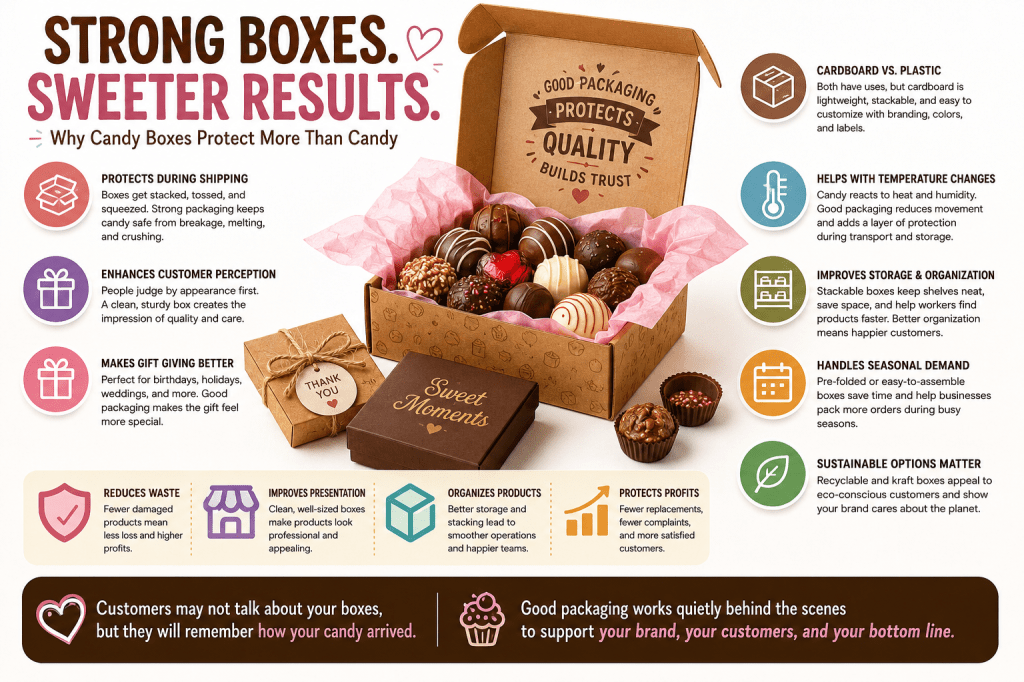
Seasonal businesses especially benefit from quality candy boxes. During Christmas, Valentine’s Day, and Halloween, order volume often jumps quickly. Businesses need packaging that can handle higher demand without slowing down operations. Pre-folded or easy-to-assemble candy boxes help save time when workers are packing hundreds of orders.

Today many buyers also pay attention to environmental concerns. Recyclable candy boxes can appeal to customers who want less waste and cleaner packaging options. Some businesses even use natural-looking kraft boxes because they create a simple, handmade appearance people trust.

The truth is most customers will never compliment a candy box directly. They will not send emails talking about cardboard thickness or folding corners. What they will remember is whether the candy arrived looking clean, safe, and professional. Good packaging quietly protects the product and helps the entire buying experience feel smoother.

That is why candy boxes are not just containers sitting on a shelf. They help businesses reduce waste, improve presentation, organize products, and protect profits at the same time.
Why candy loses its magic

Have you ever saved a piece of candy for later, only to come back and find it does not taste the same? Maybe it feels dry, or the flavor seems dull, or it has turned into a sticky lump that is hard to enjoy. This happens more often than people think, and it can take the fun out of something that was meant to be a simple treat.

A common question people ask is why candy changes so quickly. The truth is that candy reacts to its surroundings. Air, heat, and even light can slowly affect how it looks and tastes. When candy is left in thin packaging or loose containers, it has little protection from these changes.

This is where candy boxes come in as a simple and helpful solution. Instead of leaving candy exposed, a box creates a more stable space around it. When you close the lid, it reduces how much air moves in and out. This helps the candy stay closer to how it felt the first time you opened it.

Think about opening a box a few days later and finding the candy still soft, still bright, and still full of flavor. That moment feels different. It feels like nothing was lost. The experience stays the same, and that is what most people want when they save something for later.

Another way candy boxes help is by keeping pieces from touching too much. When candy is packed tightly in a bag, it often sticks together, especially if it is warm. You may pull one piece out and find three more attached to it. In a box, there is more structure. The candy has space to sit without pressing into each other, which helps it keep its shape.

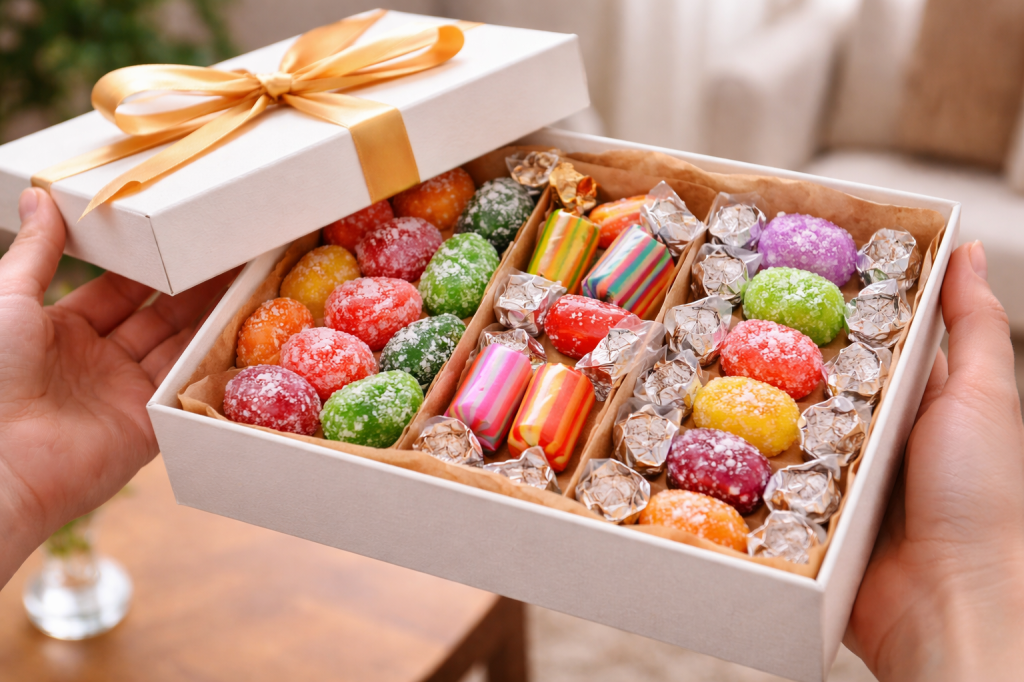
People also wonder how to make candy feel more like a gift without spending more money. The answer is often in the way it is presented. When candy is placed inside a neat box, it feels more thoughtful. Picture handing someone a small box that opens to reveal rows of treats, each one easy to pick up and enjoy. It creates a better moment, even if the candy is simple.

Candy boxes can also make a difference when you are planning events. Whether it is a birthday, a holiday, or a small gathering, having candy stored in boxes makes it easier to set things up. You can place them on tables, stack them neatly, and keep everything looking clean. There is no need to worry about spills or scattered pieces.

For those who care about reducing waste, candy boxes can also help in a small but meaningful way. When candy stays fresh longer, fewer pieces get thrown away. This means you enjoy more of what you bought, and less ends up in the trash.

In the end, candy boxes do more than just hold sweets. They help protect the taste, keep the shape, and make each moment feel just a little more special. When candy keeps its magic from the first bite to the last, it becomes something worth slowing down and enjoying.

After The Holidays, Packaging Tells the Truth

January is when reality sets in for candy businesses. The holidays are over, the rush has passed, and there is finally time to look back without the pressure of nonstop orders. This is usually when packaging problems become obvious. Candy may have sold well, but boxes often tell a different story once things slow down.

Candy boxes go through a lot more than people realize. They are packed quickly, stacked high, moved across warehouses, loaded into trucks, and handled by multiple people before reaching the customer. If a box is weak, it will show. Lids loosen, corners dent, and presentation suffers. January is when those issues can no longer be ignored.

Many businesses notice that returns and complaints feel heavier after the holidays. Not always because the candy was bad, but because something arrived looking off. A cracked corner or a loose insert change how the entire product feels. Customers expect candy to arrive clean, neat, and gift-ready, even when it is not a holiday order.

January is also when brands start preparing for the next wave of demand. Valentine’s Day is the obvious one, but spring events, corporate gifts, and everyday orders follow closely. Candy boxes chosen now will be used repeatedly in the months ahead. This makes January the smartest time to evaluate quality and consistency.

Poor-quality boxes often slow down packing without anyone realizing it at first. When lids do not align or inserts slide around, packers adjust and fix issues on the fly. Those seconds add up. Over time, they turn into hours of lost productivity and frustration. Better candy boxes remove that friction. Everything fits the way it should, and packing becomes routine instead of a workaround.

There is also a cost factor that shows up clearly in January. During busy seasons, waste can hide inside high volume. Once things slow down, damaged boxes and reorders stand out. Choosing sturdy candy boxes reduces that waste and protects margins in a quieter month when every expense feels more visible.

January is when many businesses also rethink responsibility. Using boxes that hold up better means fewer replacements and less material thrown away. That approach is practical, not trendy. It is about using resources wisely and avoiding unnecessary loss. Well-made candy boxes support that goal naturally.

Consistency matters more than decoration. Customers may not praise a box when it works, but they notice when it fails. A solid candy box supports the product quietly. It keeps everything in place and lets the candy speak for itself. That consistency builds trust over time.

This slower month creates space to reset systems. Candy boxes are one of the easiest improvements to make because they touch every order. Better boxes improve packing speed, reduce damage, and support a more professional presentation without changing the product itself.

January does not need flashy changes. It needs smart ones. Candy boxes that perform reliably now will support smoother operations when volume increases again. Fixing packaging after problems show up is harder than fixing it during a calm month.

The start of the year is about building a stronger foundation. Candy boxes are part of that foundation. When they work the way, they should, everything else feels more stable moving forward.

How to protect candy shipments

Shipping candy sounds simple until you start seeing small issues show up. Pieces arrive shifted, coatings get marked, and sometimes the entire presentation looks different than when it left your hands. These problems usually come from movement and pressure during storage and transit, not from the product itself.

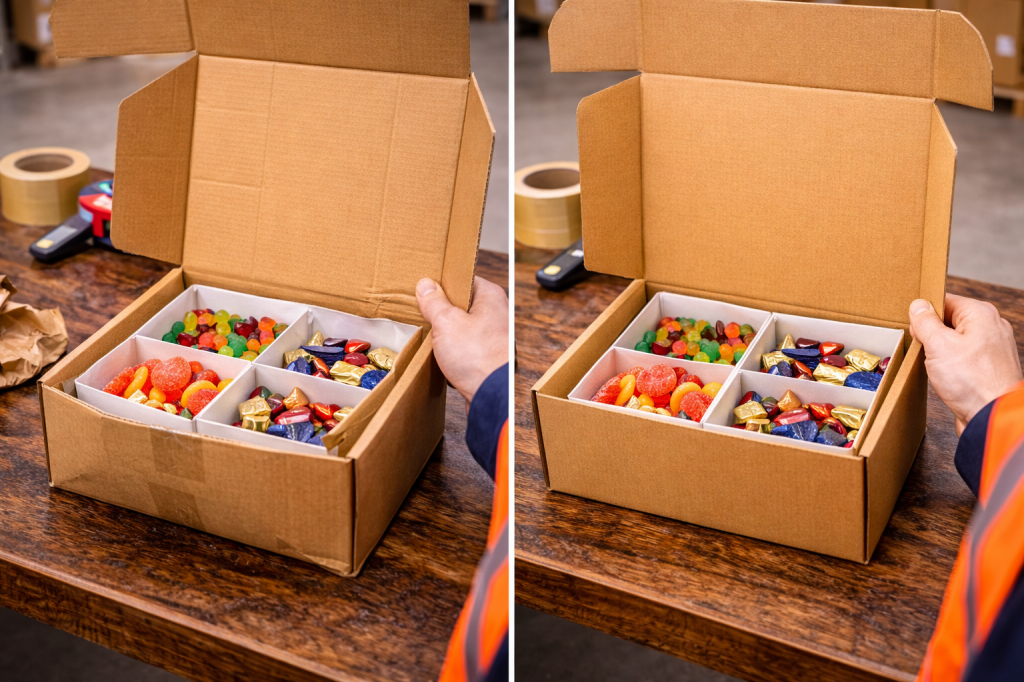
Candy is sensitive to both space and structure. If there is too much empty room inside the box, items move around as the package is handled. That movement leads to rubbing, which can dull finishes or cause pieces to stick together. On the other hand, if the space is too tight, pressure can build and affect the shape of the candy. The goal is to create a balanced fit where everything sits in place without being forced.

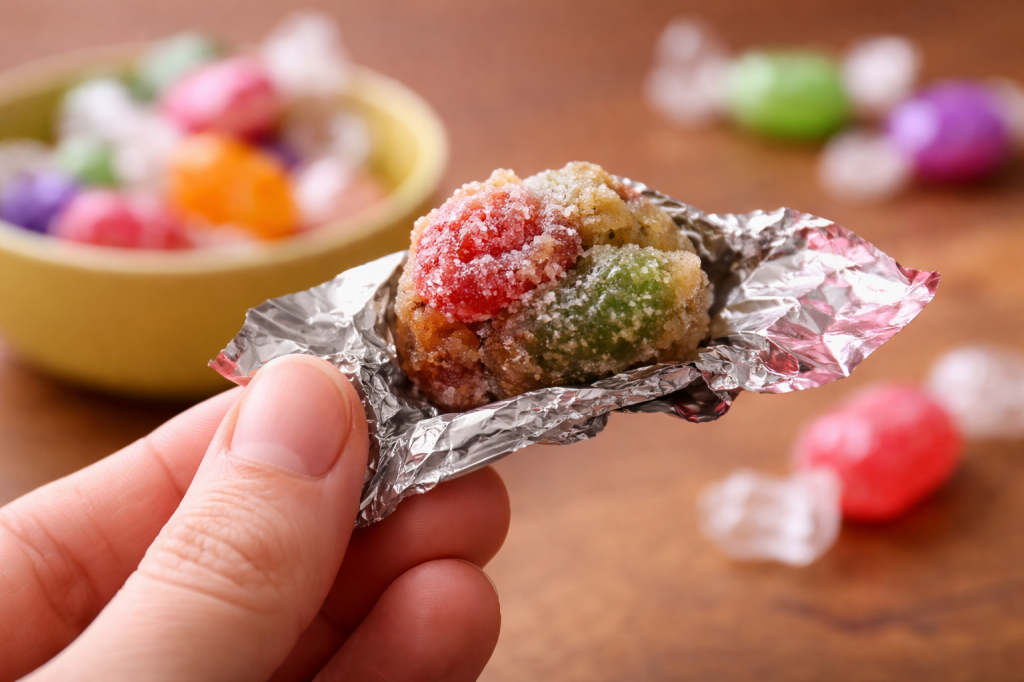
Assorted candy boxes and jelly beans covered in melted caramel inside a damaged cardboard box
A box of assorted candy with melted caramel dripping inside.

A well-sized candy box helps control that environment. When the dimensions match the product, items stay positioned the way they were packed. This reduces the chance of shifting and helps maintain a clean, organized look when the box is opened. That first impression is important because it sets expectations before the product is even tasted.

Structure also plays a major role. During shipping, packages are stacked, moved, and sometimes compressed under weight. A box that holds its shape protects the contents from that pressure. A weaker box can flex, and when that happens, the contents inside absorb the impact. Choosing a box with enough strength to handle stacking and movement helps prevent this type of issue.

Another factor to consider is how the candy is placed inside the box. Items should be arranged in a way that distributes weight evenly. When weight is concentrated in one area, it increases the chance of damage during transport. A balanced layout helps maintain stability and reduces stress on any single point.

Assorted candy boxes and jelly beans covered in melted caramel inside a damaged cardboard box
A box of assorted candy with melted caramel dripping inside.

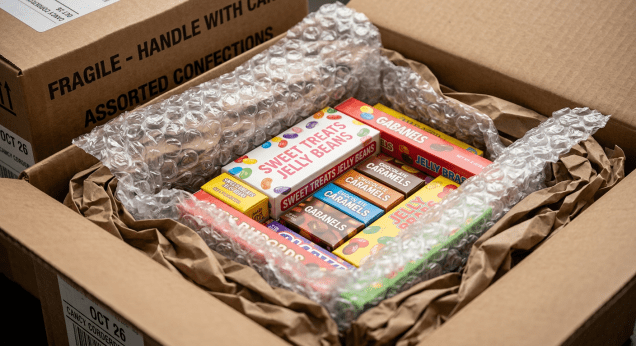
Handling before shipping matters as well. Candy often sits for a period of time before it is packed or sent out. During that time, exposure to air and contact with other surfaces can affect its condition. Using a consistent packing process, including protective layers when needed, helps preserve quality from the moment the product is prepared to the moment it is delivered.

Presentation is closely tied to protection. When a customer opens a box and sees candy arranged neatly without marks or shifting, it reflects a higher level of care. That experience is shaped by the packaging choices made earlier in the process. A well-designed candy box supports both protection and presentation at the same time.

Assorted candy boxes and jelly beans covered in melted caramel inside a damaged cardboard box
A box of assorted candy with melted caramel dripping inside.

Many modern candy boxes are also made with recycled materials that still provide reliable performance. This allows businesses to choose packaging that meets practical needs while also using materials more efficiently. It is a straightforward approach that does not require sacrificing durability.

In the end, protecting candy during shipping comes down to controlling movement, maintaining structure, and choosing the right size. When these elements are handled correctly, products arrive in the same condition they were packed, and the overall experience improves for both the sender and the customer.